The five canonical murders of 1888 happened within a half-mile radius. Most of the locations still exist — and the case remains unsolved.
This article is part of our comprehensive London ghost tours guide. Whether you're planning a visit or researching from afar, these stories reveal a side of London most visitors never see.
Setting the Scene: Whitechapel in 1888
?Can the clatter of modern buses and the glow of new shopfronts erase the sense of urgency that gripped Whitechapel in the late 19th century?
## Historical Context In 1888 Whitechapel was one of the most densely populated and poorest districts of London, with an estimated population of approximately 75,000-100,000 people. A mix of recent immigrants (primarily Eastern European Jewish refugees, Irish workers, and displaced agricultural workers), casual laborers and long-term residents packed the courts and tenements around Spitalfields and the Old Nichol rookery. Overcrowding (with some tenements housing 40+ people in 6-8 rooms), inadequate sanitation, and seasonal unemployment made the area vulnerable to crime and illness. The Metropolitan Police's H Division (headquartered at Whitechapel Road station) was responsible for policing this patchwork of alleys and yards, a responsibility complicated by jurisdictional boundaries with the City of London Police — a fact that became crucial after the murders.
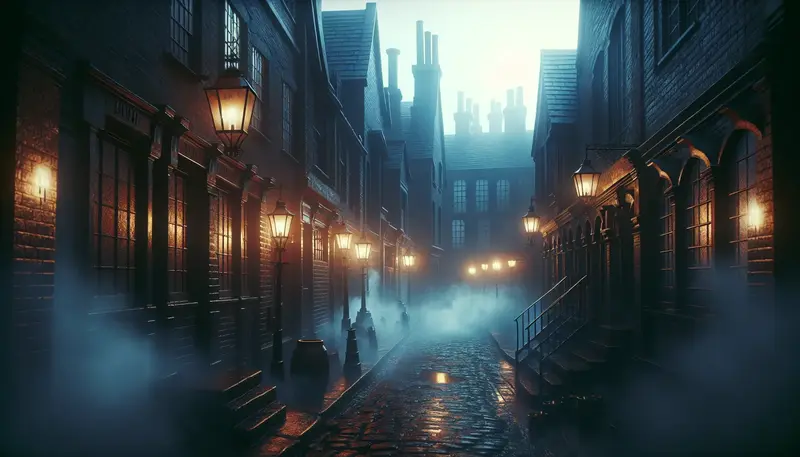
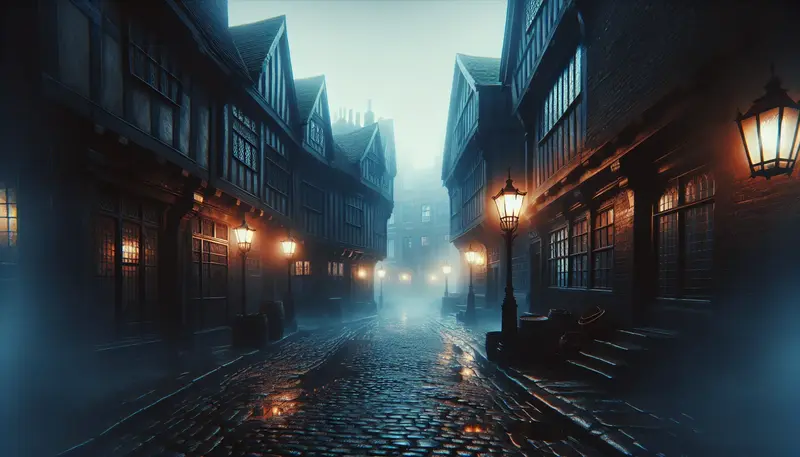
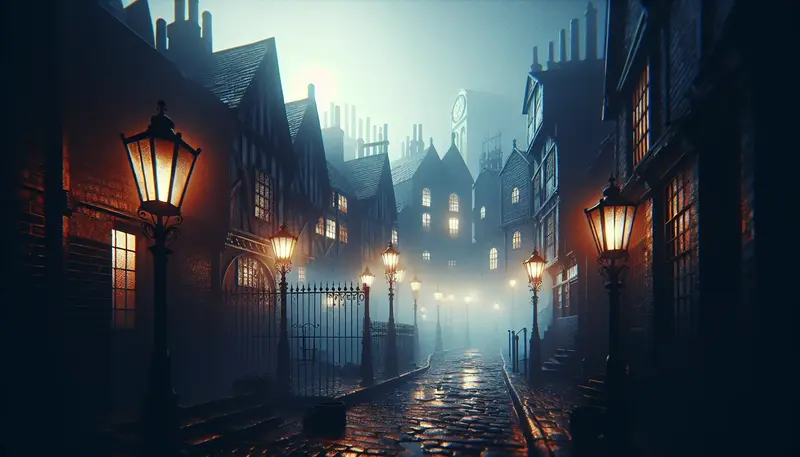
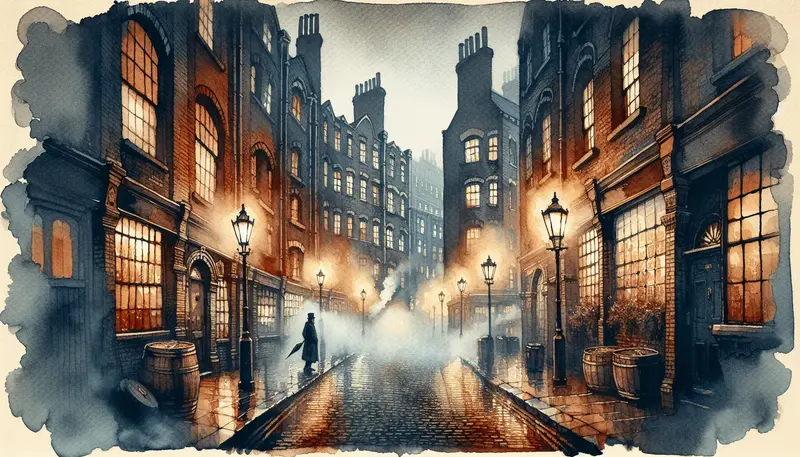
### Why the Setting Matters The atmosphere of late-Victorian Whitechapel — narrow lanes, gaslight, and public indifference — shaped both how the crimes happened and how the stories were told. Journalists from national papers described scenes in lurid detail, while local charity organizations and clergy recorded the daily hardships of life there. Those same physical features that concealed criminal acts in 1888 now form the scaffolding of any walking route: hidden yards, rebuilt streets and a handful of surviving façades that still echo the period. CursedTours treats that architecture as a living archive; it is the terrain of documented history and the focus of local accounts of the London ghost and London haunted tradition.
The Canonical Murders: Dates, Victims and Locations
## The Five Canonical Victims The five deaths most often considered “canonical” to the Jack the Ripper case occurred between August and November 1888. Each has a firmly recorded date and location that remains the anchor for historical tours.
• Mary Ann "Polly" Nichols — found 31 August 1888 in Bucks Row (now Durward Street), Whitechapel. • Annie Chapman — found 8 September 1888 in the backyard of 29 Hanbury Street, Spitalfields. • Elizabeth Stride — found 30 September 1888 in Dutfield’s Yard, off Berner Street (now Henriques Street). • Catherine Eddowes — found 30 September 1888 in Mitre Square, within the City of London (the second of the “double event”). • Mary Jane (Marie) Kelly — found 9 November 1888 at 13 Miller’s Court, off Dorset Street, Spitalfields.
### Dates and Key Documents The chronological clustering — notably the “double event” on 30 September — drove press attention and police resources. The Metropolitan Police and the City of London Police both held inquests and produced coroner’s reports, and surgeons’ testimonies documented the wounds and timing of death. In addition to official records, contemporary newspapers published interviews, witness statements and maps that remain primary sources for walking guides.
## The Letters Two of the letters associated with the case are particularly famous and should be mentioned on any serious tour: the “Dear Boss” letter (dated 27 September 1888), which introduced the signature "Jack the Ripper," and the “From Hell” letter (received 16 October 1888 by George Lusk) that reportedly came with a preserved human kidney in a cardboard box. Their provenance and authenticity remain debated by historians and criminologists, but they influenced contemporary public perception and the subsequent mythology of a London haunted by an unknown killer.
A Guided Route: Streets, Alleys and Stops to See
## Practical Route Overview A standard walking route moves from the commercial edge of Whitechapel inward: Commercial Street and Fournier Street, Hanbury Street, Durward Street (site of Bucks Row), the stretch of Berner/Henriques Street leading to Dutfield’s Yard, then into the City for Mitre Square, and finally back to Dorset Street’s approximate site of Miller’s Court. Modern interventions — rebuilt blocks, office developments and conservation work — mean that the exact footprints are often inferred from maps and contemporary descriptions rather than standing buildings. For related history, see our london's plague pits: the hidden dead.
### Key Stops and Exact Locations - Bucks Row (now Durward Street, E1) — Mary Ann Nichols was found here on 31 August 1888. The modern street name marks the general spot. - 29 Hanbury Street, E1 — Annie Chapman’s body was discovered in the backyard of this address on 8 September 1888. The building survives as a point of reference. - Dutfield’s Yard, off Berner Street (now Henriques Street), E1 — Elizabeth Stride’s murder site, 30 September 1888. The yard itself no longer appears as it did but the junction is identifiable. - Mitre Square, EC3 — Catherine Eddowes was found here on 30 September 1888; this square is within the City of London and remains a small, paved open space. - Miller’s Court (off Dorset Street, historically near Brushfield Street), E1 — the site where Mary Jane Kelly was murdered on 9 November 1888; the original court has gone, but the nearby street pattern helps locate the place.
## Modern Considerations Some locations lie on private property or have been redeveloped; guides should always note which sites are view-only and which allow closer inspection. Many guides combine factual stops with interpretative pauses that quote coroner’s testimony or contemporary press reports so walkers can hear the documented record while standing where it happened.
Police, Press and Public: How the Investigation Played Out
## Who Took Charge The investigation involved the Metropolitan Police’s CID, led in public imagination by Inspector Frederick Abberline (who headed the H Division CID from 1887), and local officers from H Division, including Inspector Edmund Reid (who led the uniformed H Division response). The City of London Police became involved after Catherine Eddowes was found in Mitre Square on September 30, 1888, because that crime scene lay inside the City boundary (the square is located within the ancient medieval City of London, east of Aldgate). Assistant Commissioner Sir Robert Anderson (head of CID, September-November 1888) and Metropolitan Police Commissioner Sir Charles Warren (who served 1886-1888 and resigned in November 1888) both had oversight during the crisis.
### Evidence, Forensics and Limitations Victim statements, witness testimony, and surgeons’ reports formed the core evidence. Forensic techniques of the day were rudimentary: fingerprinting was not used in criminal practice, crime-scene preservation was inconsistent, and cross-jurisdictional handovers complicated continuity. Surgeon reports and coroners’ inquests provided the medical facts — times of death, nature of wounds, and degree of mutilation — which remain the most reliable documentation.
## The Press and Public Response Newspapers — including The Times, The Illustrated Police News and local East End papers — sensationalised the murders and amplified rumors. The Whitechapel Vigilance Committee formed in October 1888; citizens patrolled at night and offered rewards. Letters purporting to be from the killer, like the “Dear Boss” and “From Hell” missives, gave an apparent identity to the anonymous assailant and stirred public fear. The interaction of police limitations, press frenzy, and public vigilantism frames why the case became as famous as it did and why Whitechapel remained a locus for talk of a London haunted by violence. For related history, see our most haunted places in london: from.
Hauntings and Witness Accounts
## Reported Apparitions and Sensory Accounts Whitechapel’s reputation as a site of macabre memory has yielded numerous paranormal reports from the late 19th century onward. One recurring theme is sightings of a female figure near the Ten Bells pub on Commercial Street (at the corner of Fournier Street): witnesses describe a woman in late-Victorian dress or a shawl walking alone at night, sometimes stopping in silence as if listening or waiting. Bar staff and long-term patrons have reported these sightings repeatedly since at least the 1970s-1980s, with some claiming the figure resembles period photographs of Mary Jane Kelly or Annie Chapman, contributing to the Ten Bells’ reputation as a London ghost focal point.
### Named and Collected Accounts Local historian Paul Begg and other researchers have collected oral histories and newspaper anecdotes that record sensory phenomena around Miller’s Court and Mitre Square. In one account gathered in Begg’s interviews, a 1970s resident of the Spitalfields area described unexplained cold spots and the persistent smell of cheap perfume outside a boarded doorway near the former Miller’s Court — a report framed by the witness’s recognition of the location’s historical significance rather than an attempt to sensationalise.
## Respectful Skepticism CursedTours treats such reports with respectful skepticism: the guide presents what people report, records who reported it and documents where and when the experience allegedly occurred, without exaggerated claims. For example, multiple staff at the Ten Bells have reported sudden drops in temperature and the impression of being watched; other witnesses claim to have heard footsteps in empty courts off Dorset Street. These reports are included on tours as part of the cultural record — local memory and folklore that sit alongside coroner’s testimony and police files.
How to Walk Safely and Respectfully: Ethics, Access and Practical Tips
## Practical Safety and Access Notes A walking route through Whitechapel should prioritise public safety and respect for residents. Many historically significant spots are either private property or have been sensitively redeveloped; guides and walkers must not trespass. Practical considerations include comfortable footwear, attention to traffic, and awareness that some streets have limited lighting at night. Because Mitre Square lies within the City of London, opening hours and access rules may differ from those in Tower Hamlets.
### Ethical Guidelines for Visitors When confronting violent history and the spectre of a London haunted by real human suffering, respectful conduct matters. Guides should avoid theatricalisation of victims, instead quoting documented testimony and citing coroner’s reports and police records. Photography is generally acceptable in public spaces, but when tours pass residential buildings and pubs with active patrons, discretion is required. Tour leaders should present both the documented record and local folklore, making clear which statements are recorded facts and which are witness accounts.
## Practical Tips and Resources - Carry a street map or offline map on a phone; GPS coordinates help correlate modern streets with 1888 layouts. - Consult primary sources before the walk: coroner’s inquests, Metropolitan Police files and contemporary newspaper reports are all useful and verifiable. - If a tour references the London ghost and London haunted traditions, presenters should be transparent about sources and avoid presenting folklore as proven history. A well-structured walking guide offers layered interpretation: the cold facts of dates, locations and official records; the social and economic background that explains why Whitechapel became a focus of criminal violence; and the local stories — some chilling, some rueful — that keep the district’s past alive in memory.