
10 Tours · 6 Articles
St. Augustine Ghost Tours
Pedro Menéndez de Avilés founded St. Augustine on September 8, 1565, making it the oldest continuously occupied European-established settlement in the United States. Before Jamestown, before Plymouth Rock, Spanish soldiers and settlers were living—and dying—on this narrow strip of Florida coastline.
The city changed hands between Spain and Britain twice, endured pirate attacks, survived British siege, and weathered hurricanes that destroyed entire populations. Sir Francis Drake burned the settlement in 1586. The Castillo de San Marcos, completed in 1695, withstood every attack but couldn't prevent the suffering of those imprisoned within its coquina walls.
St. Augustine's compact historic district concentrates 450 years of death within walking distance. Yellow fever outbreaks, military executions, Seminole War prisoners, and generations of forgotten dead all left their marks on America's oldest city.
Why St. Augustine Is Haunted
The Castillo de San Marcos served as a prison for Seminole and Apache prisoners of war, including the famous Geronimo's warriors. Osceola, the Seminole leader, was imprisoned at Fort Marion (as the Castillo was then known) in 1837 before being transferred to South Carolina, where he died. Prisoners died of disease, malnutrition, and despair within the fort's walls.
Yellow fever struck repeatedly, with major epidemics in 1821, 1839, 1841, and 1877. The 1821 outbreak killed so many soldiers at the military hospital that bodies were buried in mass graves. Huguenot Cemetery, established in 1821, filled quickly with fever victims.
The St. Augustine Lighthouse, built in 1874, stands on grounds with documented tragedy. During construction, the lighthouse keeper's daughters drowned when a supply cart they were playing in rolled into the water. Their reported appearances have been investigated by paranormal researchers for decades.
Henry Flagler's Gilded Age development brought new buildings but disturbed old graves. The Alcazar Hotel, now the Lightner Museum, was built over the city's first Catholic cemetery. Construction workers reported finding bones throughout the project.
Old Town Walking Tours
Walking tours through the colonial district cover St. George Street, the plaza, and surrounding blocks where Spanish, British, and American history layered over centuries. The Oldest House, dating to the early 1700s, demonstrates how archaeological investigation revealed burial sites beneath residential floors.
YEAR ST. AUGUSTINE WAS FOUNDED
The Spanish Military Hospital Museum recreates the conditions wounded soldiers faced in colonial St. Augustine. Tours explain medical practices—and mortality rates—that left generations of dead in unmarked graves throughout the city center.
“St. Augustine has been continuously occupied for over 450 years, making it the oldest European-established settlement in the United States.”
Casa Monica, now a luxury hotel, incorporates portions of the original 1888 Cordova Hotel. Staff and guests report encounters throughout the building, particularly in the tower rooms and basement-level spa.
Fort Tours
The Castillo de San Marcos, now a National Monument, offers ranger-led tours during the day. Ghost tours operate outside the walls at night, discussing the fort's history of imprisonment, siege warfare, and documented paranormal activity.
The fort's coquina construction—made from compressed seashells—gives it an otherworldly appearance, especially at night. Spanish soldiers, British prisoners, Native American captives, and Union soldiers all spent time within these walls across three centuries.
Fort Matanzas, 14 miles south, guards the inlet where Spanish forces massacred shipwrecked French Huguenots in 1565. The name "Matanzas" translates to "slaughters." The smaller fort is accessible by ferry and included in some extended tours.
Cemetery Tours
Huguenot Cemetery, visible through iron gates on the edge of the historic district, accepted Protestant burials from 1821 to 1884. Yellow fever victims fill many of its plots. Tours pass the cemetery at night, when shadows play across its weathered stones.
HUGUENOT CEMETERY ESTABLISHED
Tolomato Cemetery served the Catholic population from 1777 to 1892. It holds the remains of the first bishop of St. Augustine, Spanish colonists, and Minorcan settlers. The cemetery is occasionally open for tours organized by the Diocese of St. Augustine.
St. Augustine National Cemetery, established in 1881, contains remains relocated from earlier military burial grounds including those from the Seminole Wars. Three Dade Battlefield pyramids mark mass graves of soldiers killed in the 1835 massacre that began the Second Seminole War.
Haunted Hotels
The St. Francis Inn, operating since 1845, consistently appears on lists of America's most haunted hotels. Room 3A reports the most activity, attributed to a servant named Lily who died on the property. Guests have reported apparitions, unexplained footsteps, and objects moving.
Casa Monica Hotel, originally the Cordova Hotel built in 1888, connects to the Lightner Museum via an underground passage. Staff report a woman in period dress who appears in the tower and disappears when approached.
The Casablanca Inn on the Bay, overlooking Matanzas Bay, served as a boarding house during Prohibition when the owner allegedly signaled rum runners from the widow's walk. Her ghost reportedly still keeps watch.
Trolley & Train Tours
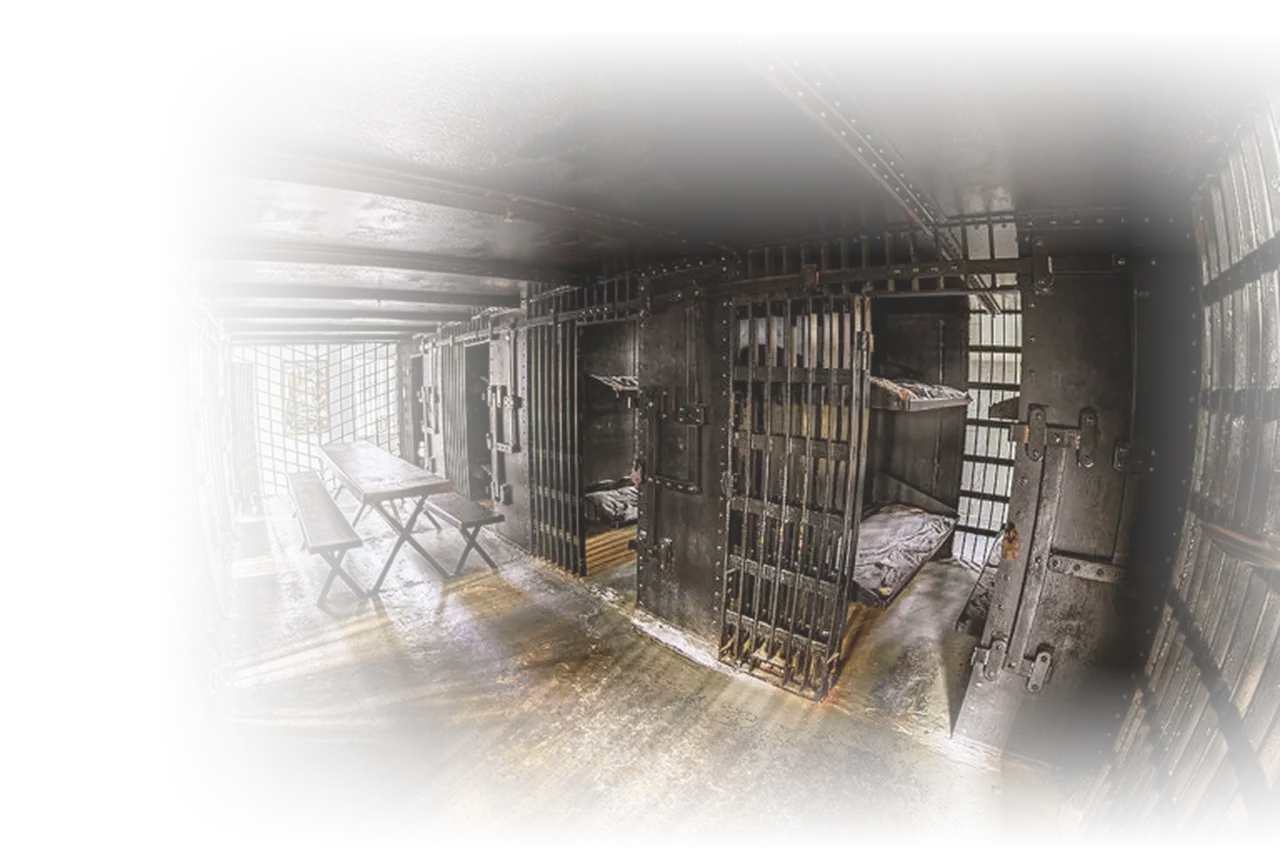
Ghost trolley tours cover more ground than walking tours, accessing locations on the outskirts of the historic district including the lighthouse, Old Jail, and areas beyond comfortable walking distance. Tours typically run 75-90 minutes.
The Ghost Train operates on the same tracks used by Henry Flagler's Florida East Coast Railway. Evening departures create atmospheric conditions for storytelling as the train passes sites associated with Flagler's development of Florida.
Trolleys provide accessibility options for visitors who cannot manage St. Augustine's brick streets and uneven sidewalks. Many operators offer reserved seating and climate control.
<!-- Mobile Tour Cards (hidden on desktop where sidebar shows) -->
<TourGrid tours={tours} />

Related Reading
Explore St. Augustine Articles
In-depth guides to St. Augustine's haunted history, famous ghosts, and dark legends.
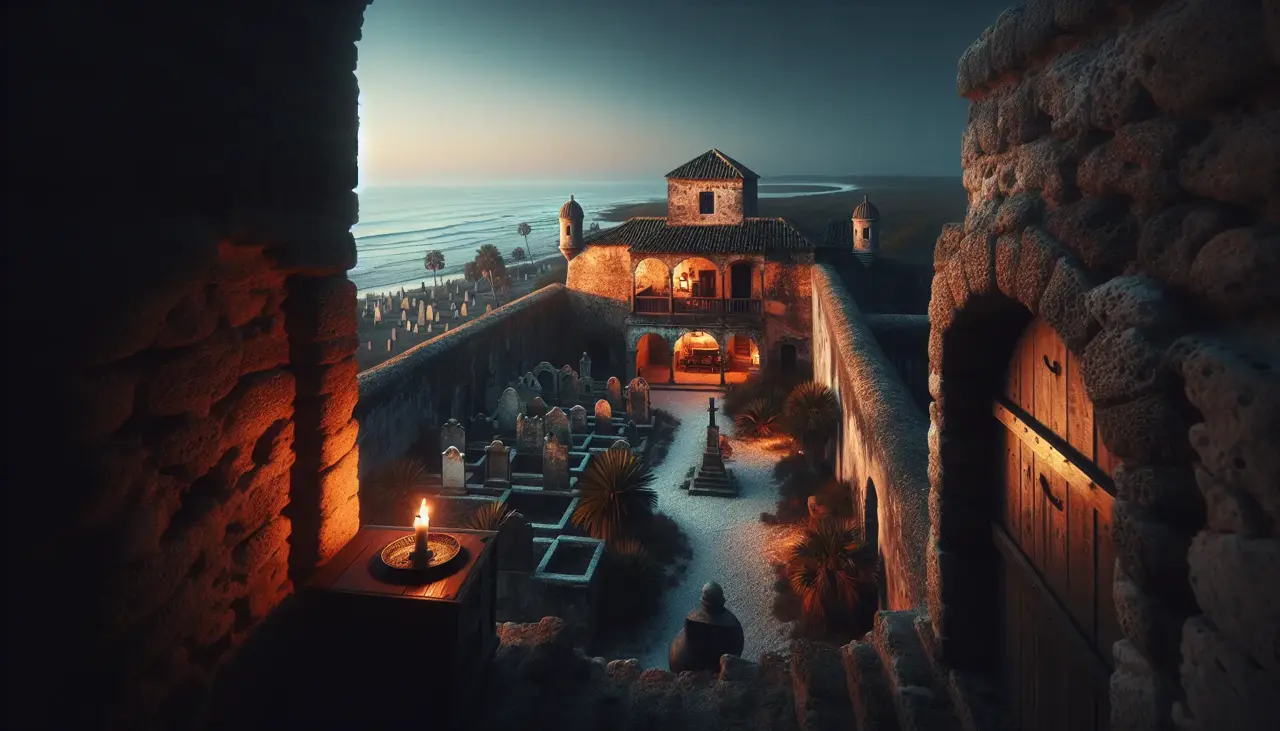
Castillo de San Marcos: 350 Years of Ghosts in America's
Explore Castillo de San Marcos' 350-year history and haunting legends at America's oldest fort in St.
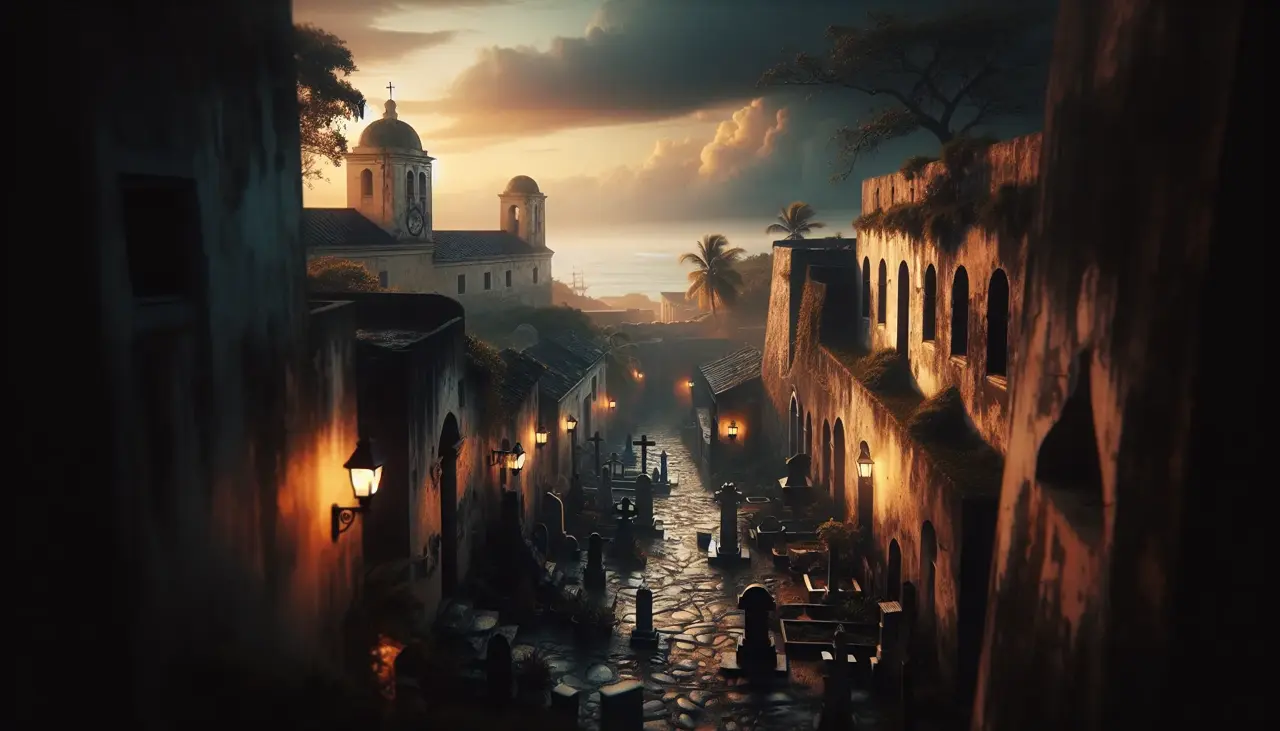
Most Haunted Places in St. Augustine
Explore St. Augustine's most haunted sites - Castillo, Lighthouse, Flagler College, Old Jail, museums & cemeteries.
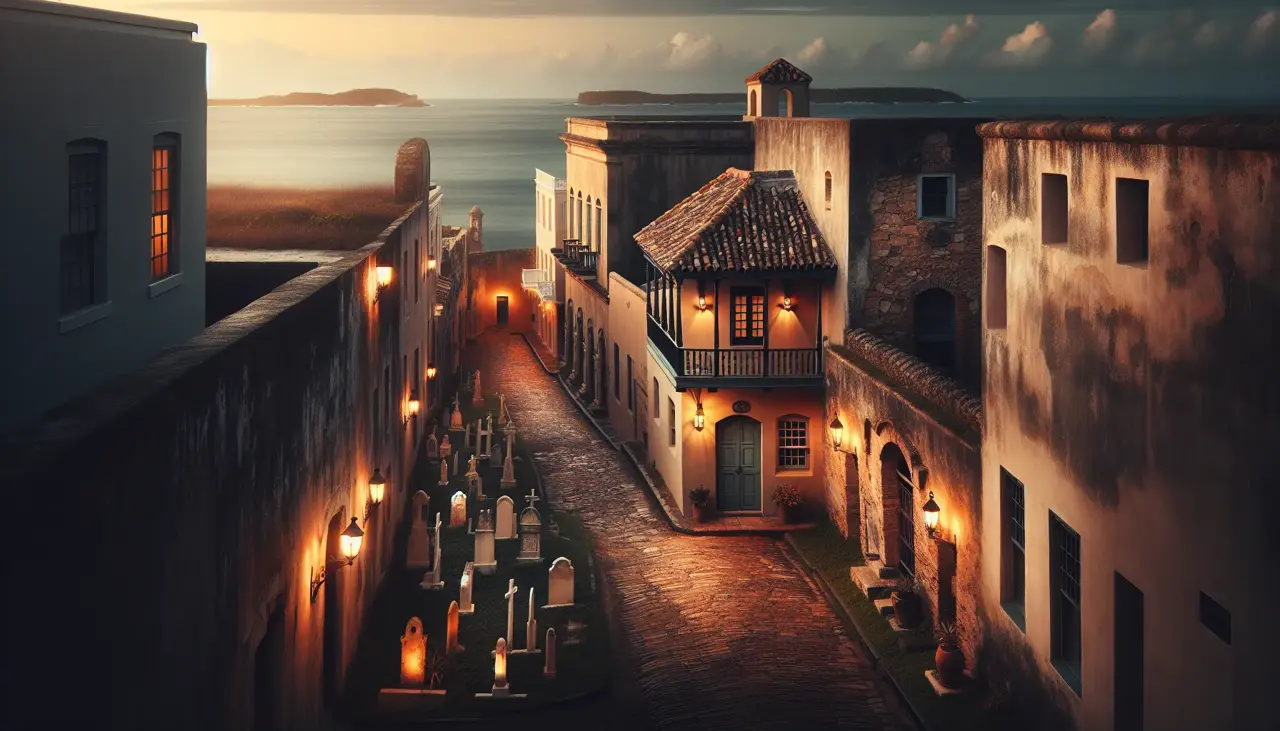
The Spanish Military Hospital
Explore the Spanish Military Hospital in colonial St. Augustine: 18th-century surgery, death, burial practices, and enduring ghost lore at a reconstructed.
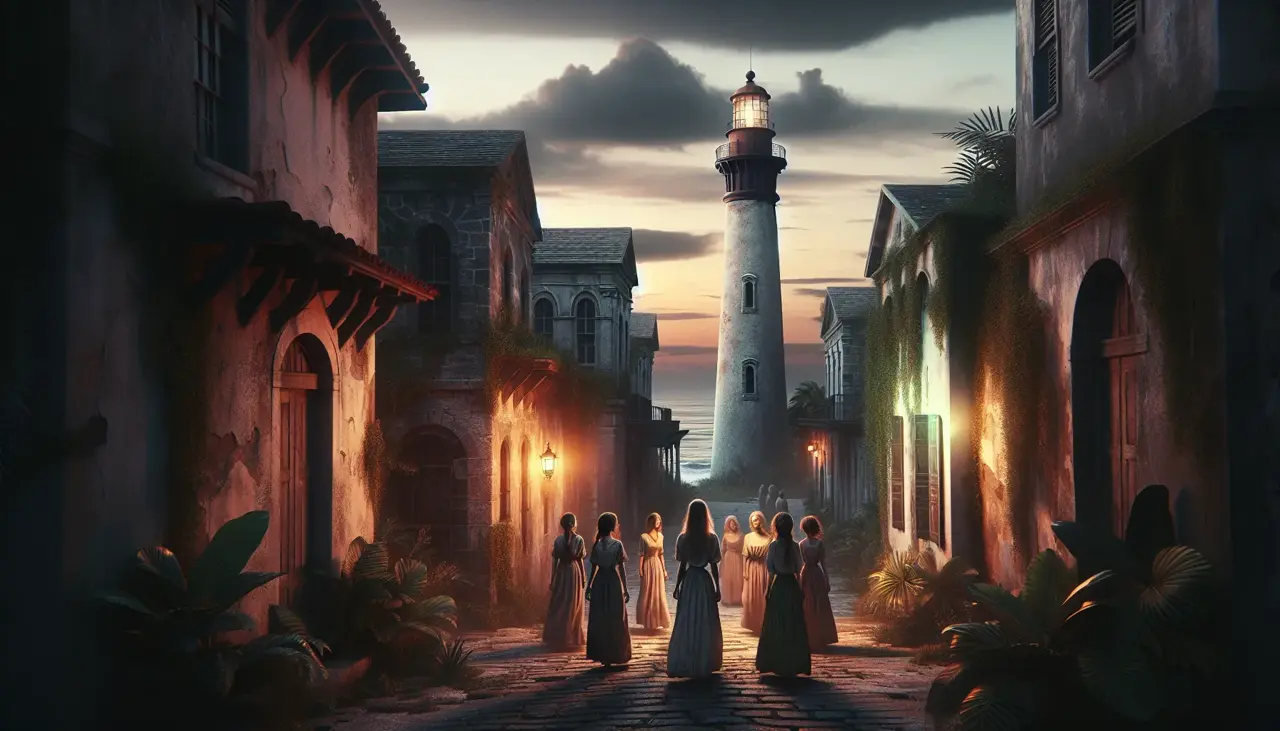
The St. Augustine Lighthouse
Explore St. Augustine Lighthouse: 19th-century history, documented tragedies, eyewitness hauntings, investigations, and guided tours at 100 Red Cox Dr.
St. Augustine's Dark History
Explore St. Augustine's dark 460-year history: colonial violence, sieges, epidemics, shipwrecks, and haunted legends rooted in documented loss.
Common Questions
Frequently Asked Questions
Why is St. Augustine considered so haunted?
What is the most haunted location in St. Augustine?
Can you go inside the Castillo at night?
Are St. Augustine ghost tours family-friendly?
Keep Exploring
Explore More Haunted Cities
Discover ghost tours in other historic cities.