18 Tours · 10 Articles
Savannah Ghost Tours
General James Oglethorpe founded Savannah in 1733 as the first city in the Georgia colony, laying it out in a distinctive grid of squares that remains intact today. What visitors admire as charming urban planning conceals a darker truth: Savannah was built directly over its dead, and the city never stopped burying bodies beneath its streets, squares, and buildings.
Yellow fever epidemics struck in 1820, 1854, and 1876. The 1820 outbreak killed 700 people—roughly 10% of the population—in a single summer. Bodies were buried wherever space could be found, including beneath the very squares where tourists now photograph Spanish moss. Colonial Park Cemetery, which closed in 1853, holds an estimated 10,000 bodies in a space designed for far fewer.
The city served as a major port in the transatlantic slave trade. Enslaved Africans arrived at the wharves on River Street, were sold at markets throughout downtown, and labored to build the mansions that line the historic squares. Their stories—and their graves—remain largely unmarked but deeply embedded in the city's haunted reputation.
Why Savannah Is Haunted
Savannah's grid of 22 historic squares—originally 24—each contain layers of human remains. When Oglethorpe designed the city, he couldn't have anticipated that his squares would become de facto cemeteries during epidemics and wars. Bodies were buried in mass graves, forgotten, and built over as the city expanded.
The Revolutionary War saw Savannah under British occupation from 1778 to 1782. The Siege of Savannah in 1779 killed over 800 soldiers in a single failed assault, many buried where they fell. The Civil War brought Union occupation and a hospital system that converted hotels and homes into wards for the wounded and dying.
The Great Fire of 1820 destroyed 463 buildings in the city center. Many victims were never recovered from the rubble. A second major fire in 1889 burned over 100 structures. Between fires, fevers, and warfare, Savannah accumulated the dead faster than it could properly bury them.
Colonial Park Cemetery accepted burials from 1750 to 1853. Originally outside city limits, it's now surrounded by downtown. Union soldiers reportedly moved headstones during occupation, making it impossible to know who lies where. Dueling victims, yellow fever dead, and executed criminals share the ground with Savannah's founding families.
Historic District Walking Tours
Walking tours through the Historic District navigate between Savannah's most documented haunted locations. The Sorrel-Weed House on Harris Street, where both a wife and enslaved woman died under mysterious circumstances, offers tours of its carriage house where paranormal investigators have captured unexplained evidence.
DEAD IN THE 1820 YELLOW FEVER EPIDEMIC
"Renovation crews in the 1990s discovered human remains beneath floorboards of the Marshall House."
The Marshall House on Broughton Street served as a hospital during both the Civil War and yellow fever epidemics. Amputated limbs were reportedly thrown from upper windows into the alley below. Renovation crews in the 1990s discovered human remains beneath floorboards.
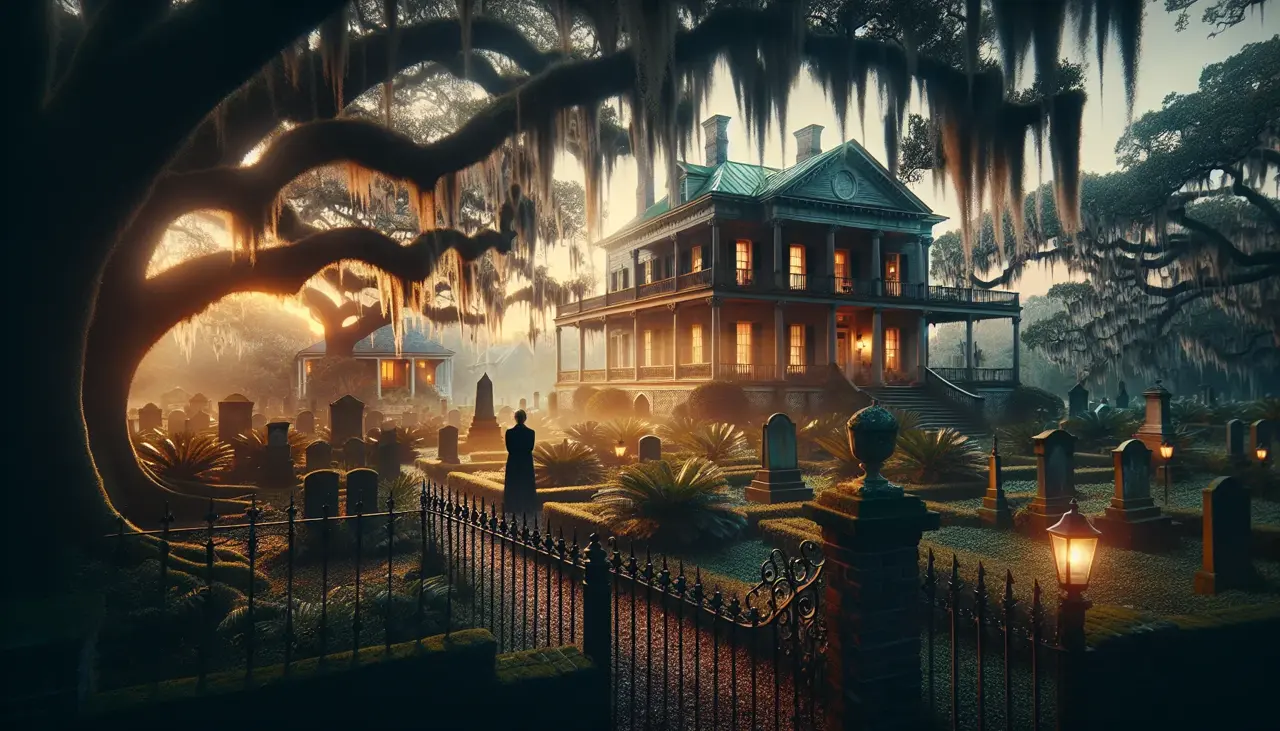
Most tours pass the Mercer-Williams House, made famous by "Midnight in the Garden of Good and Evil." Jim Williams shot Danny Hansford there in 1981, and guides recount the events alongside older tales of the home's spirits.
Cemetery Tours
Colonial Park Cemetery, Savannah's oldest surviving burial ground, contains the remains of Button Gwinnett, a signer of the Declaration of Independence, alongside mass graves from yellow fever epidemics. The cemetery closed to new burials in 1853 but never stopped being disturbed.
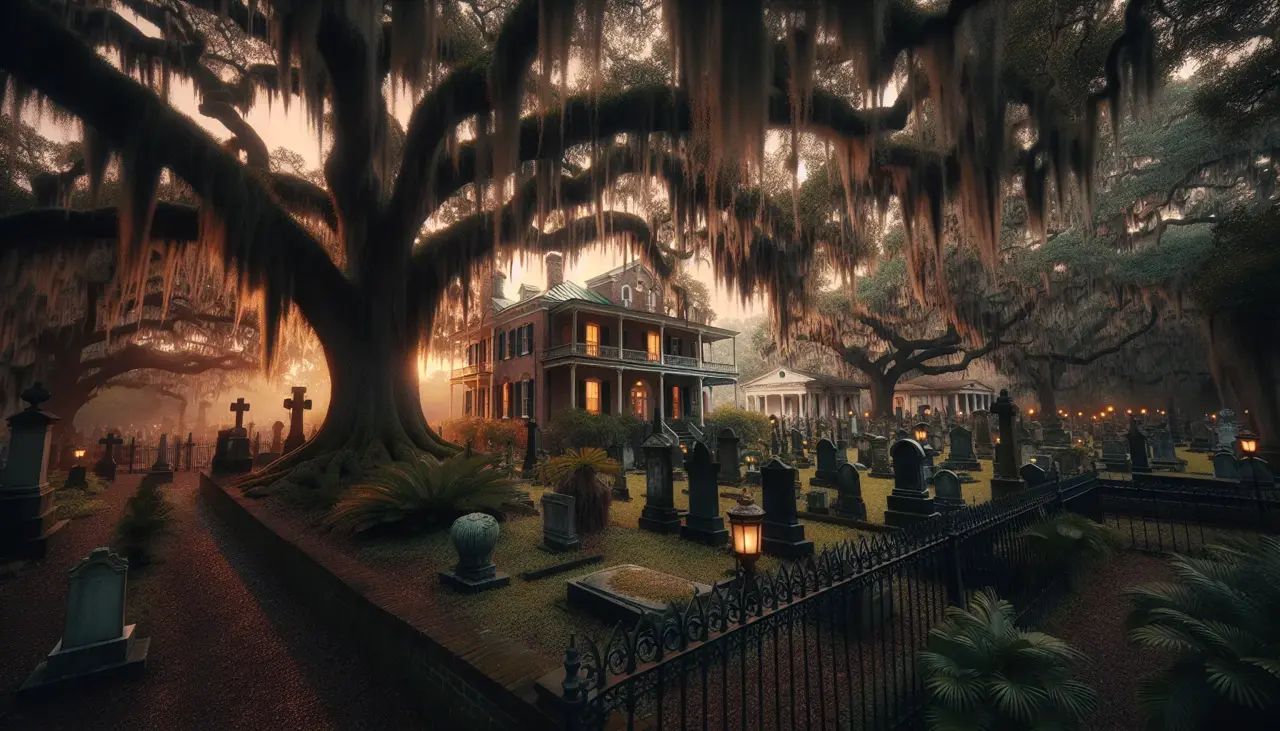
Bonaventure Cemetery, three miles east of downtown, became famous through John Berendt's book and its haunting statuary. The Bird Girl sculpture has been moved to the Telfair Museum, but the cemetery's moss-draped oaks and Victorian monuments remain atmospheric. Tours operate during daylight hours.
Laurel Grove Cemetery, divided into North and South sections by race during segregation, contains Civil War dead from both armies. The South cemetery holds the remains of enslaved people and free Black citizens whose stories are only now being researched and told.
Haunted Pub Crawls
Savannah's open container laws allow to-go cups throughout the Historic District, making pub crawls a distinctive local tradition. The Pirate's House, operating since 1753 and mentioned in Robert Louis Stevenson's "Treasure Island," claims tunnels beneath it once led to the river for shanghaiing sailors.
Moon River Brewing Company occupies the former City Hotel, where construction workers and staff report aggressive paranormal activity. The building served as a hospital during yellow fever outbreaks, and its upper floors—closed to the public—have been featured on multiple ghost hunting television shows.
Six Pence Pub, 17Hundred90, and The Olde Pink House each have their own documented ghost stories involving former residents, workers, or guests who never checked out. Tours typically visit 3-4 locations over two hours.
Trolley Tours
For those who prefer not to walk Savannah's uneven sidewalks, trolley ghost tours cover more ground while providing air-conditioned or heated comfort. Tours typically last 90 minutes and pass locations that walking tours can't easily reach.
"Trolleys cover more ground, reaching Forsyth Park and the Victorian district beyond the core squares."
Trolleys allow access to Forsyth Park, the Victorian district, and areas beyond the core Historic District squares. Guides provide narration throughout, and some tours make stops for photo opportunities at particularly significant locations.
Paranormal Investigations
Several Savannah locations offer hands-on paranormal investigation experiences. The Sorrel-Weed House provides equipment including EMF detectors, spirit boxes, and infrared cameras for small-group investigations of its carriage house and main residence.
Moon River Brewing Company's upper floors, typically closed to the public, open for occasional investigation events. The building's reputation for aggressive activity makes these experiences intense—and popular with serious investigators.
<!-- Mobile Tour Cards (hidden on desktop where sidebar shows) -->
<TourGrid tours={tours} />

Related Reading
Explore Savannah Articles
In-depth guides to Savannah's haunted history, famous ghosts, and dark legends.
Bonaventure Cemetery: Savannah's Hauntingly Beautiful City
Explore Bonaventure Cemetery: Savannah's hauntingly beautiful mix of Victorian monuments, riverside oaks, documented history, ghost lore, and photo tips.
The Mercer-Williams House: Murder, Mystery, and Midnight
Explore the Mercer-Williams House: 429 Bull St history, architecture, Jim Williams' trials, the 1981 killing, ghost reports, preservation and respectful.
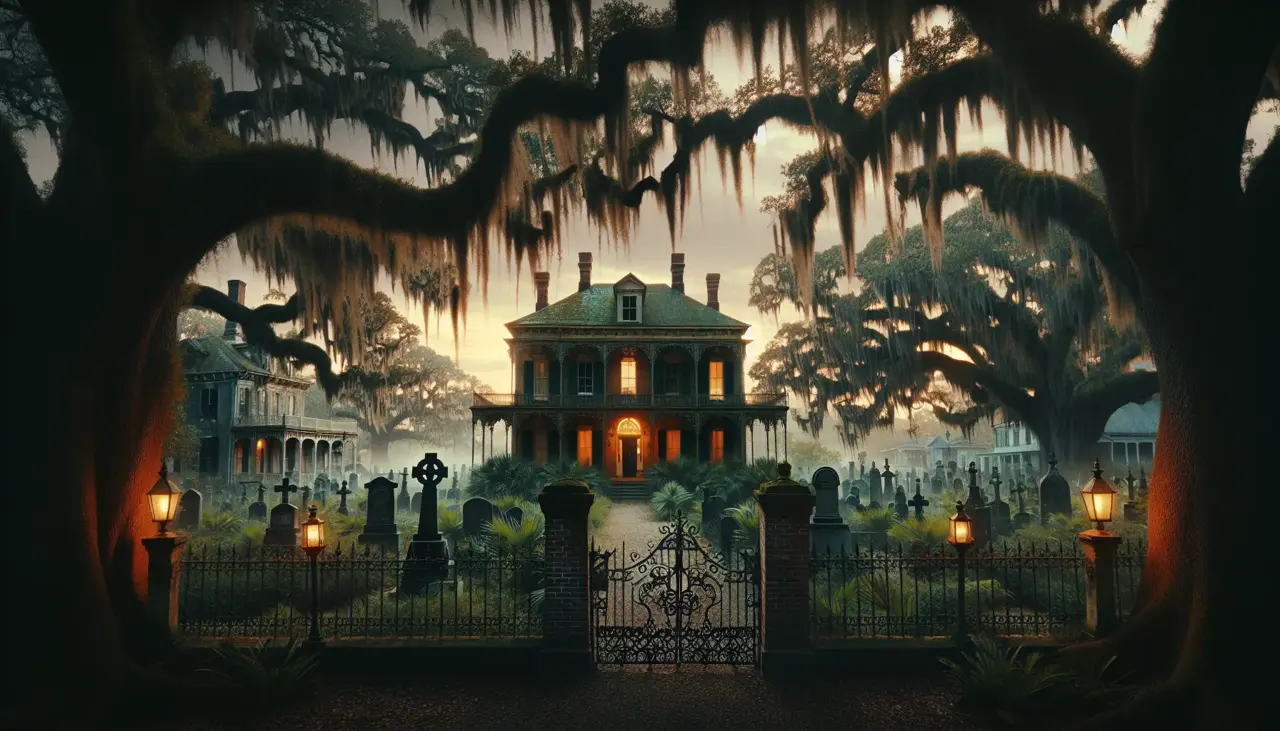
Moon River Brewing Company: Savannah's Most Haunted Brewery
Built in 1821 as Savannah's City Hotel, Moon River Brewing Company is now one of the most actively reported haunted locations in the American South.
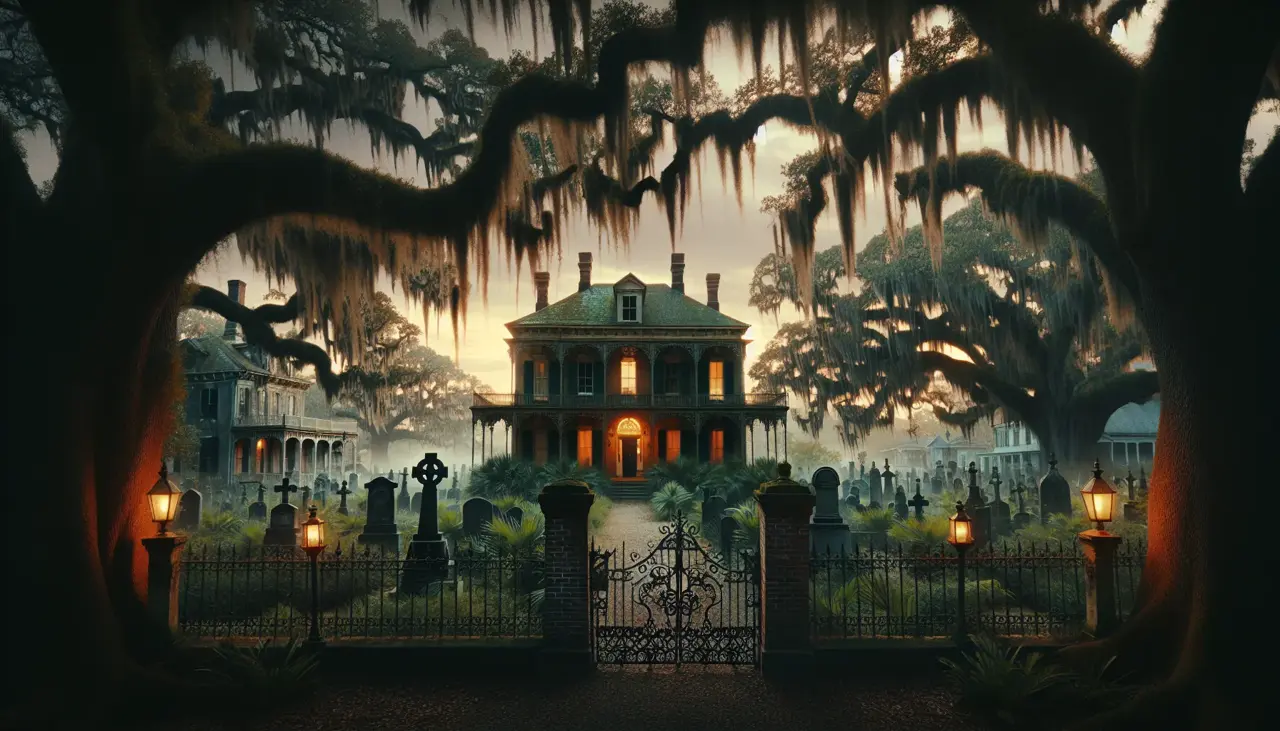
Most Haunted Places in Savannah: A Local's Guide
A local's guide to Savannah's most haunted places-historic hotels, mansions, cemeteries and taverns, blending documented history with eyewitness ghostly.
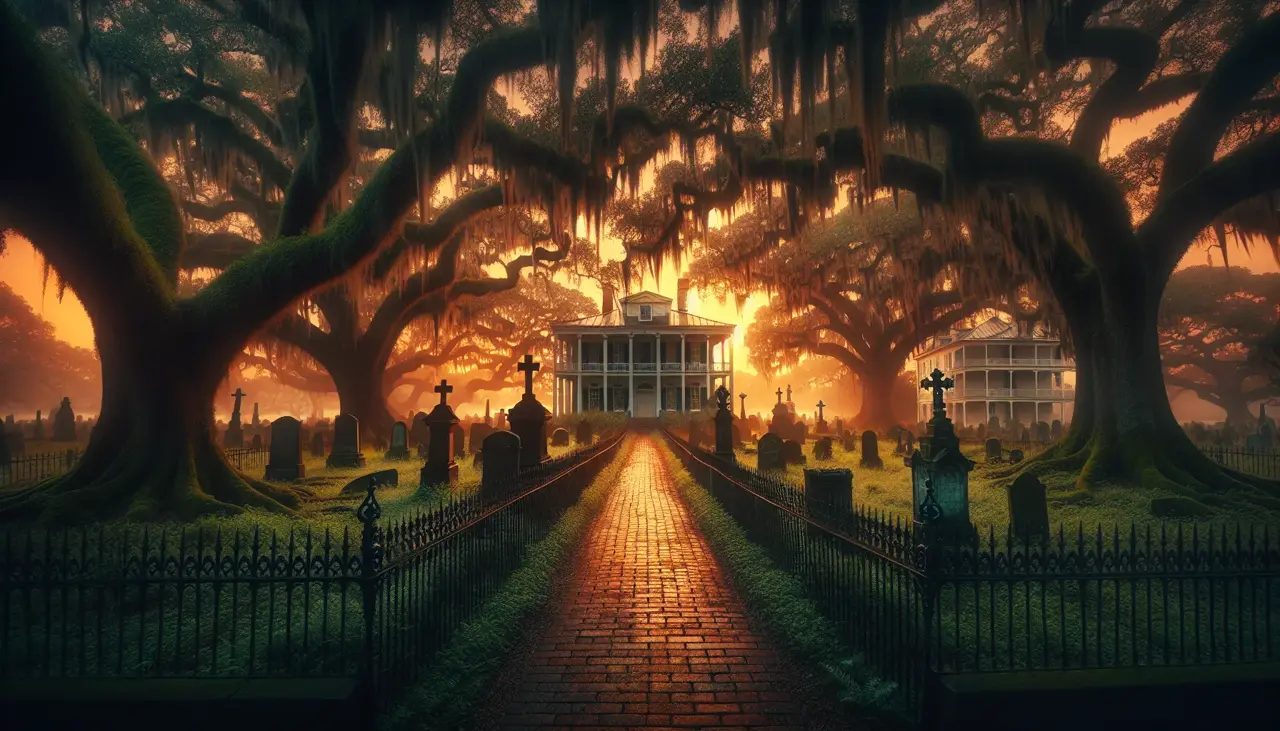
Savannah's Civil War Ghosts
Explores Sherman's 1864 capture of Savannah, wartime hospitals, Bonaventure graves, Marshall House lore, and how history and ghost stories intertwine.
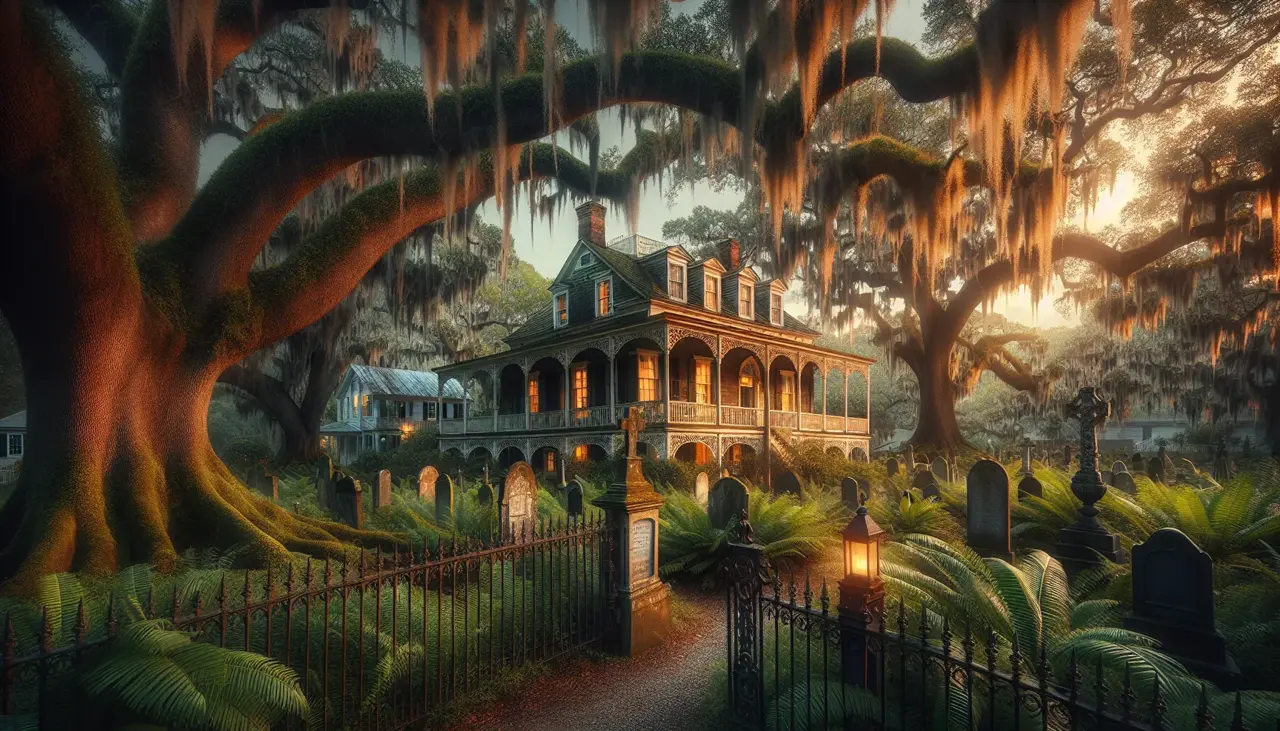
The Pirates' House: Savannah's Oldest Haunted Tavern
The Pirates' House, Savannah's oldest tavern, pairs 18th-century history with enduring hauntings: eyewitness tales, cellar cold spots, and apparitions.
Common Questions
Frequently Asked Questions
Why is Savannah considered the most haunted city in America?
Can you drink on ghost tours in Savannah?
Are Savannah ghost tours kid-friendly?
Keep Exploring
Explore More Haunted Cities
Discover ghost tours in other historic cities.