15 Tours · 12 Articles
Salem Ghost Tours
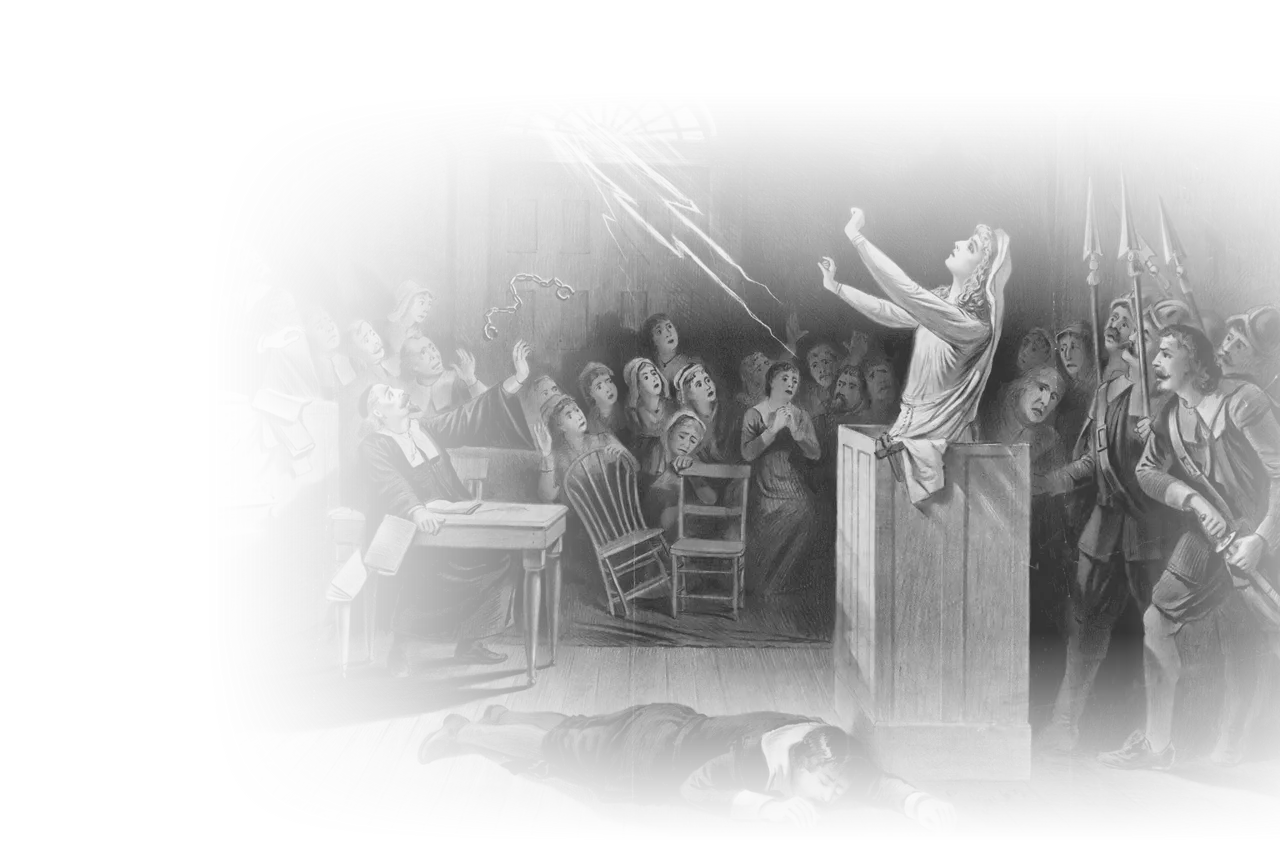
Between February 1692 and May 1693, colonial Massachusetts executed twenty people for witchcraft. The Salem witch trials began when two young girls in Salem Village—now Danvers—experienced fits that a local doctor attributed to supernatural causes. Within months, accusations spread through Essex County, filling jails with accused witches and creating a panic that has defined Salem's identity ever since.
The trials ended when Governor William Phips dissolved the special court after his own wife was accused. By then, over 200 people had been accused, twenty executed, and several more died in prison. The Massachusetts General Court later declared the trials unlawful, and in 1711, the colonial legislature restored the good names of the accused and provided financial restitution to their families.
Modern Salem embraces this dark history while struggling to separate documented facts from centuries of embellishment. Ghost tours navigate between verified trial sites, later legends, and the commercial Halloween industry that dominates the city each October.
Why Salem Is Haunted
The witch trials created victims whose deaths were acknowledged as wrongful within a generation of their execution. This official recognition—rare in cases of historical injustice—may contribute to Salem's haunted reputation. The executed weren't criminals; they were innocent people killed by their neighbors.
Gallows Hill, the execution site, went unmarked for centuries. Recent research identified Proctor's Ledge as the likely location, now a memorial. The bodies of the executed were denied proper burial, thrown into crevices near the gallows. Some families reportedly retrieved remains under cover of darkness, but most victims have no known graves.
The accusers lived among the families of their victims for decades after the trials. Samuel Sewall, one of the judges, publicly apologized in 1697. Ann Putnam Jr., who accused 62 people including her former neighbors, apologized in 1706. This prolonged coexistence of accusers, survivors, and descendants created a community literally haunted by guilt.
Beyond the trials, Salem's maritime history added its own ghosts. As a major port, the city saw its share of shipwrecks, drownings, and sailors who never returned. The Custom House where Nathaniel Hawthorne worked, the House of the Seven Gables that inspired his novel, and the wharves along Derby Street all carry their own documented histories.
Witch Trials Sites
The Witch House, home of Judge Jonathan Corwin, is the only structure still standing with direct ties to the trials. Corwin conducted preliminary examinations of accused witches here before they faced the Court of Oyer and Terminer. The house has been restored to its 1692 appearance and offers guided tours explaining trial procedures.
EXECUTED DURING THE SALEM WITCH TRIALS
The Salem Witch Trials Memorial, dedicated in 1992 on the 300th anniversary, lists all twenty executed victims on granite benches. The memorial's design—incomplete sentences carved into stone thresholds—represents how the accused were cut off mid-defense by their accusers.
“Giles Corey was pressed to death over two days with heavy stones, refusing to enter a plea so his property could not be confiscated.”
The Peabody Essex Museum holds original trial documents including examinations, depositions, and death warrants. These primary sources offer unfiltered access to the voices of accusers, accused, and judges.
Historic Cemeteries
The Charter Street Cemetery, also called the Old Burying Point, dates to 1637 and contains graves of Mayflower passengers and witch trial judge John Hathorne—ancestor of novelist Nathaniel Hawthorne, who added the 'w' to distance himself from his family's role in the trials.
None of the executed witches are buried in Salem's colonial cemeteries. Their bodies were denied consecrated ground and disposed of near the gallows. The Charter Street Cemetery does contain graves of accused witches who died in prison before trial, including Sarah Osborne.
Howard Street Cemetery holds the grave of Giles Corey, pressed to death when he refused to enter a plea. According to legend, his final words were "more weight." The cemetery, smaller and less visited than Charter Street, has a more intimate atmosphere.
Walking Tours
Evening walking tours combine witch trial history with later ghost stories accumulated over 400 years of Salem history. Tours typically last 90 minutes and cover about a mile of downtown Salem, visiting the Witch House, Charter Street Cemetery, the Witch Trials Memorial, and various haunted taverns and homes.
CHARTER STREET CEMETERY ESTABLISHED
History-focused tours separate documented trial facts from legends that developed later. The best guides acknowledge when stories entered the record and distinguish between primary sources and folklore.
October tours book weeks in advance and operate with larger groups. For a more intimate experience, visit during shoulder seasons when guides have time for questions and smaller groups allow access to sites that can't accommodate crowds.
Museums & Attractions
The Peabody Essex Museum, one of the oldest continuously operating museums in America, holds an exceptional collection of witch trial documents and Salem maritime history. The museum's East India Marine Hall and period rooms provide context for colonial Salem beyond the trials.
The House of the Seven Gables, built in 1668 and inspiration for Hawthorne's novel, offers tours focusing on the Turner family history and Hawthorne's connection to the property. The house predates the witch trials by 24 years.
The Salem Witch Museum presents a dramatic retelling of the trials using stage sets and life-size figures. While not historically rigorous, it provides a visceral introduction to the events for visitors new to the story.
Paranormal Experiences
The Hawthorne Hotel, built on the site of an apple orchard once owned by Bridget Bishop—the first person executed in the trials—reports regular paranormal activity. Room 612 and the sixth floor in general have the most reported incidents.
Some tour operators offer paranormal investigation experiences with EMF detectors, spirit boxes, and other equipment. The Joshua Ward House, built on the site of Sheriff George Corwin's home, allows investigation by appointment.
<!-- Mobile Tour Cards (hidden on desktop where sidebar shows) -->
<TourGrid tours={tours} />

Related Reading
Explore Salem Articles
In-depth guides to Salem's haunted history, famous ghosts, and dark legends.
Apologies, Regret, and Reparations After Salem
When the Salem witch trials ended, the executions stopped—but the reckoning had barely begun.
How the Salem Witch Trials Ended (and Why)
The Salem witch trials did not end because the community suddenly stopped believing in witchcraft.
How the Salem Witch Trials Worked
The Salem witch trials were not lawless mob violence.
Life in Puritan New England Before the Trials
Before the Salem witch trials erupted in 1692, the people of Massachusetts Bay Colony lived within one of the most tightly controlled social orders in the.
Salem Witch Trials Myths That Won't Die
The Salem witch trials have been the subject of plays, novels, films, and countless popular accounts.
Salem Witch Trials Timeline: 1692 Day by Day
Between February 1692 and May 1693, Salem descended into witchcraft accusations that resulted in 19 executions.
The Role of Children in the Salem Witch Trials
Children played a central—and deeply troubling—role in the Salem witch trials.
Salem Witch Trial Accusers: The Truth
The Salem witch trials are often told as a story about the accused—the victims who faced execution or imprisonment.
The Salem Witch Trials: Full History
The Salem witch trials of 1692–1693 remain one of the most unsettling episodes in American history.
Salem Witch Trials: Religion or Power?
The Salem witch trials are often framed as a conflict between superstition and reason, a cautionary tale of religious fanaticism run amok.
Salem Witch Trials & Moral Panic
The Salem witch trials have become a touchstone for understanding a phenomenon that recurs throughout human history: moral panic.
Who Were the Accused Witches of Salem?
More than two hundred people were accused of witchcraft during the Salem witch trials. Twenty were executed, and several others died in prison.
Common Questions
Frequently Asked Questions
Where were the Salem witch trials actually held?
How many people died in the Salem witch trials?
When is the best time to visit Salem?
Are Salem ghost tours historically accurate?
Keep Exploring
Explore More Haunted Cities
Discover ghost tours in other historic cities.