22 Tours · 12 Articles
New Orleans Ghost Tours
Jean-Baptiste Le Moyne de Bienville founded La Nouvelle-Orléans in 1718 on land prone to flooding, disease, and hurricanes. By the 1840s, the city had become the largest slave market in North America—enslaved people were sold at the St. Louis Hotel, the Cabildo, and dozens of establishments along Chartres and Esplanade. The 1853 yellow fever epidemic killed 7,849 people between May and November. The Great Fire of 1788 destroyed 856 buildings; the fire of 1794 burned another 212.
Ghost tours trace documented events at specific sites: the LaLaurie Mansion on Royal Street, where socialite Delphine LaLaurie tortured enslaved people until a fire in 1834 exposed her crimes; St. Louis Cemetery No. 1, established in 1789, where Marie Laveau was buried in 1881; and the Old Ursuline Convent, the oldest surviving structure in the Mississippi Valley, completed in 1752.
Louisiana Voodoo developed at Congo Square, where enslaved Africans gathered on Sundays under the Code Noir to practice drumming and spiritual rituals. Marie Laveau, a free woman of color born around 1801, operated as a practitioner and community figure until her death in 1881. The historical record at each site is specific and verifiable.
Why New Orleans Is Haunted
New Orleans changed hands three times in 85 years: French colony (1718-1762), Spanish territory (1762-1800), briefly French again (1800-1803), then American after the Louisiana Purchase. The Great Fire of Good Friday, March 21, 1788, started in a home on Chartres Street and destroyed 856 of the city's 1,100 structures. The fire of December 8, 1794, burned another 212 buildings. The "French" Quarter that stands today is largely Spanish colonial architecture rebuilt after these fires.
Yellow fever struck in 1817, 1832, 1833, 1837, 1839, 1841, 1847, 1853, 1854, 1855, 1858, and 1867. The 1853 epidemic killed 7,849 people—roughly one in twelve residents—between May and November. Charity Hospital filled beyond capacity. Bodies stacked in the streets. St. Louis Cemetery No. 1 received so many dead that above-ground tombs became the only practical burial method in the swampy soil.
The domestic slave trade made New Orleans the largest market for human trafficking in North America by the 1840s. The St. Louis Hotel on Royal Street held slave auctions in its rotunda. The 1811 German Coast Uprising—the largest slave rebellion in American history—resulted in the decapitation of participants whose heads were displayed on poles along the River Road. This history underlies the city's haunted reputation.
French Quarter Ghost Tours
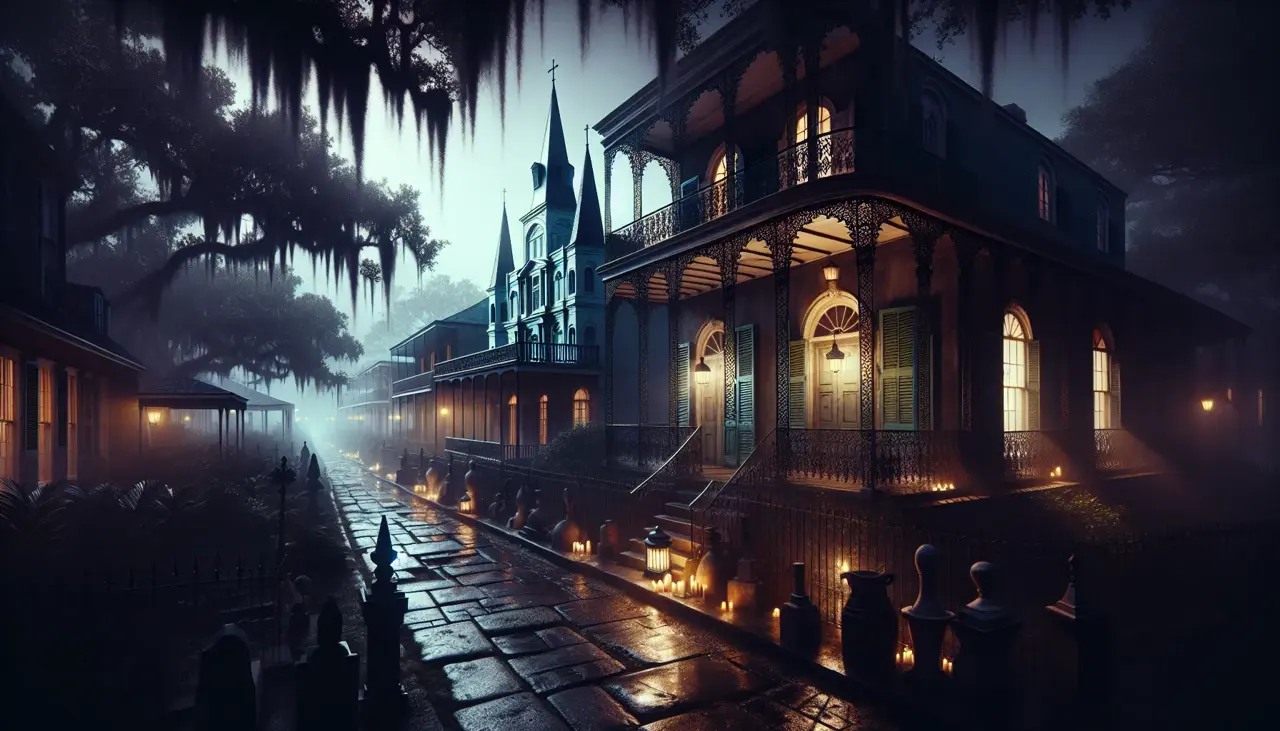
The Vieux Carré's iron-laced balconies and hidden courtyards conceal three centuries of documented tragedy. The LaLaurie Mansion on Royal Street—where socialite Delphine LaLaurie tortured enslaved people until an 1834 fire exposed her crimes—remains the Quarter's most notorious address. Nearby, the Sultan's Palace on Dauphine Street marks where an entire household was massacred in the 1800s.
BUILDINGS DESTROYED IN THE 1788 GREAT FIRE
Walking tours navigate between the Pharmacy Museum (site of early voodoo medicine), Muriel's Restaurant (where a former owner allegedly still dines), and Pirates Alley, where buccaneers once sold their plunder. The density of verified historical events within these few blocks is unmatched in American cities.
“The 1834 fire at the LaLaurie mansion revealed enslaved workers chained in the attic, exposed by the very flames she allegedly set herself.”
Cemetery Tours
St. Louis Cemetery No. 1, established in 1789, holds Marie Laveau's contested tomb and the elaborate society tombs that gave New Orleans cemeteries their "Cities of the Dead" nickname. The high water table forced above-ground burial, creating the distinctive whitewashed tombs that line narrow pathways like miniature streets.
Access to St. Louis No. 1 requires a licensed guide following vandalism concerns—making these tours the only way most visitors can enter. Lafayette Cemetery No. 1 in the Garden District, featured in Anne Rice's novels and the film "Interview with the Vampire," remains open but equally atmospheric with its crumbling German and Irish society tombs.
Haunted Pub Crawls
Lafitte's Blacksmith Shop on Bourbon Street—operating since the 1770s and allegedly frequented by pirate Jean Lafitte—anchors most pub crawl routes. The candlelit interior has no electric lighting, preserving an atmosphere unchanged since smugglers used the building to fence stolen goods. Down the street, the Old Absinthe House poured the notorious green spirit to Andrew Jackson and Oscar Wilde.
LAFITTE’S BLACKSMITH SHOP BAR ESTABLISHED
New Orleans' open container laws allow drinks to travel between stops, creating a uniquely fluid experience. Most crawls visit 4-5 establishments with documented histories of fires, yellow fever deaths, or notorious former patrons.
Vampire and Voodoo Tours
The Casket Girls of 1728 brought more than their belongings in those mysterious coffin-shaped trunks—or so legend claims. New Orleans vampire mythology predates Bram Stoker, rooted in yellow fever victims who were buried alive during epidemics and later found with bloody mouths from hemorrhaging.
Voodoo tours trace Louisiana's unique spiritual tradition from Congo Square—where enslaved Africans gathered on Sundays to practice their religions—to Marie Laveau's cottage on St. Ann Street. The tradition blended Dahomean Vodun, Catholic saints, and Native American herbalism into something practiced in New Orleans to this day.
<!-- Mobile Tour Cards (hidden on desktop where sidebar shows) -->
<TourGrid tours={tours} />

Related Reading
Explore New Orleans Articles
In-depth guides to New Orleans's haunted history, famous ghosts, and dark legends.
History of Voodoo in New Orleans
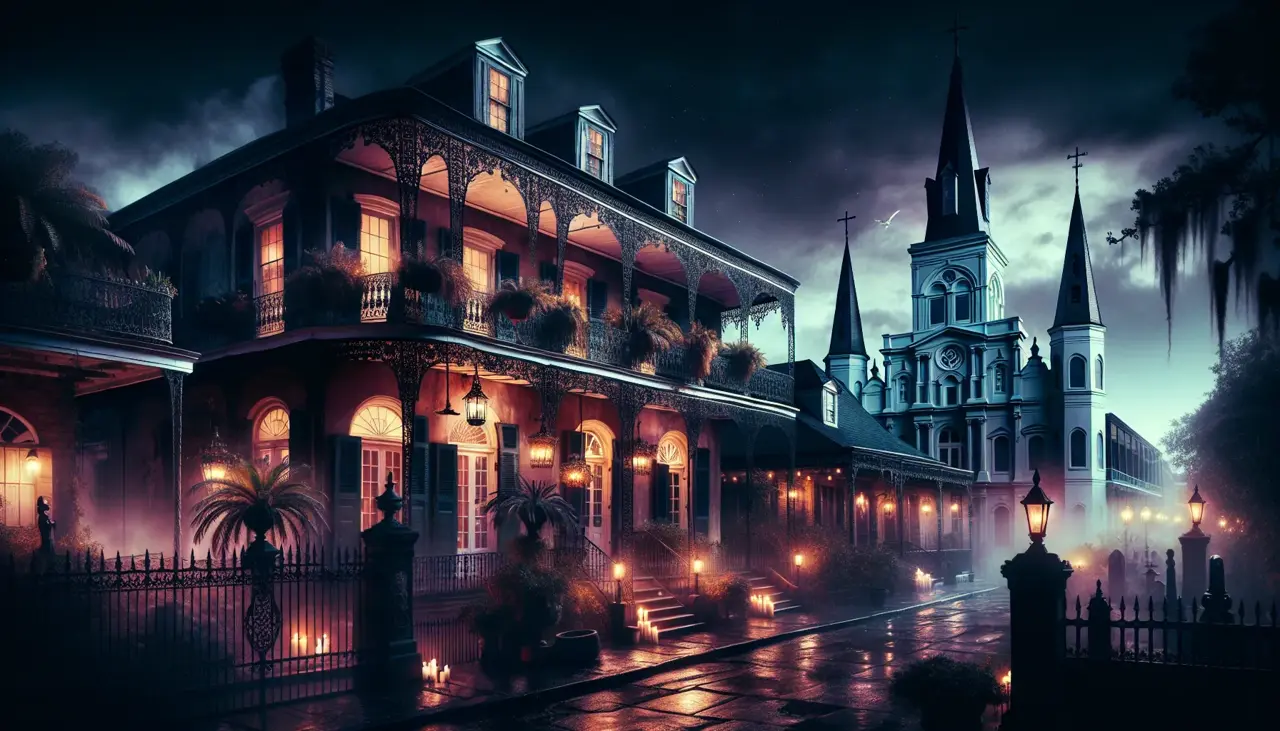
Voodoo in New Orleans is not what most people think. The reality is a complex, living spiritual tradition with deep African and Caribbean roots.
Jean Lafitte: Pirate Ghost of New Orleans
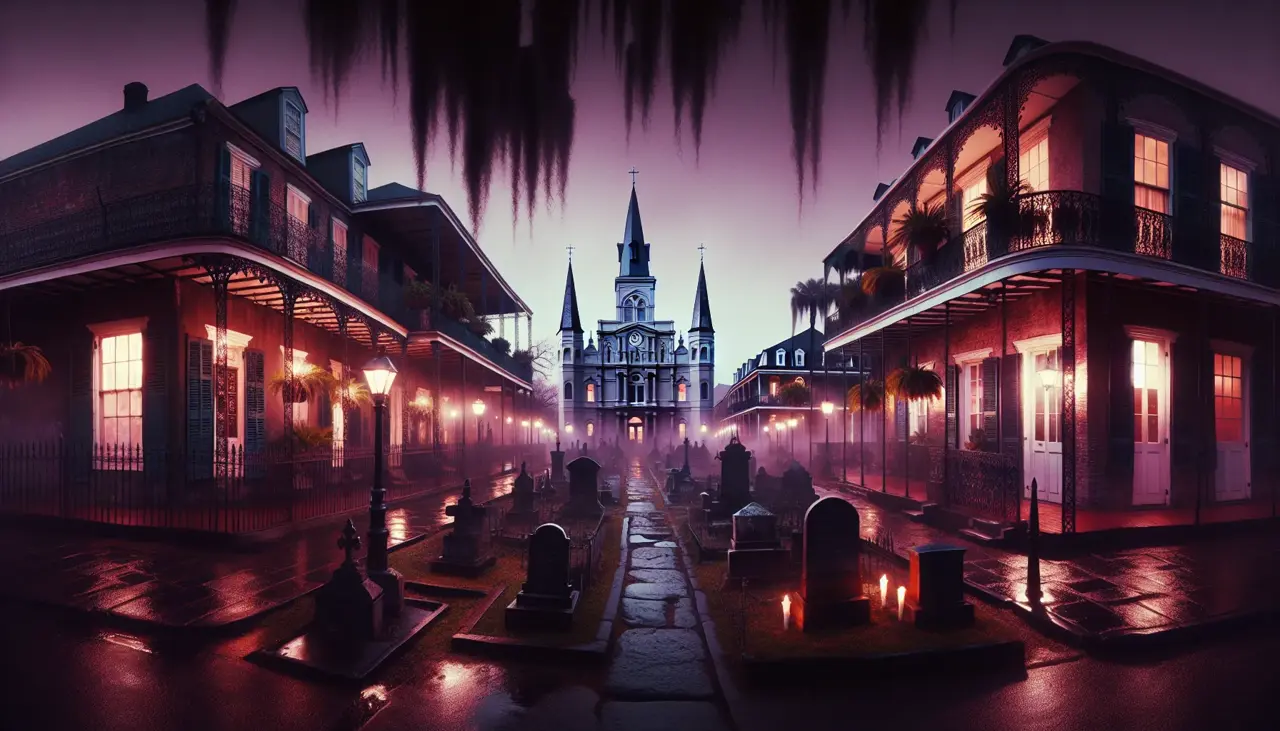
Jean Lafitte is the most romanticized figure in New Orleans history—pirate, smuggler, patriot, and now one of the city's most persistent ghosts.
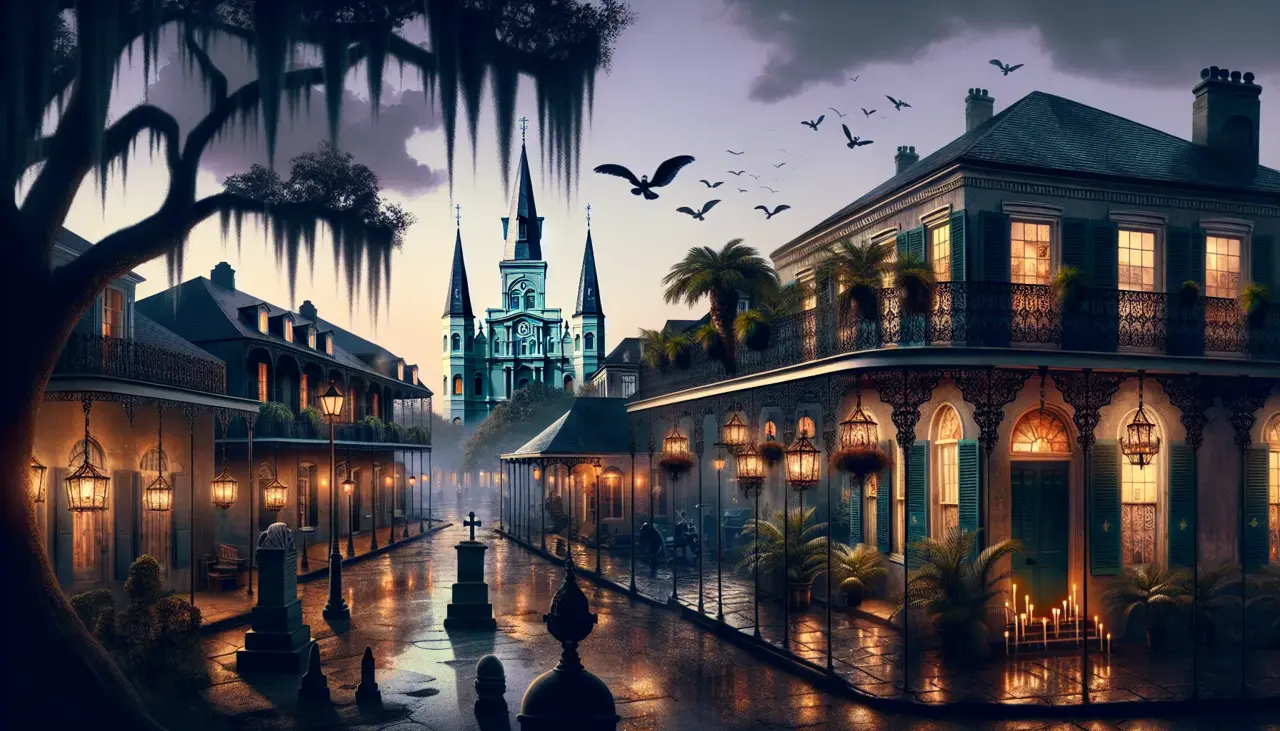
The LaLaurie Mansion: The True Story
The LaLaurie Mansion at 1140 Royal Street is America's most famous haunted house, built on documented historical horror, not supernatural legend.
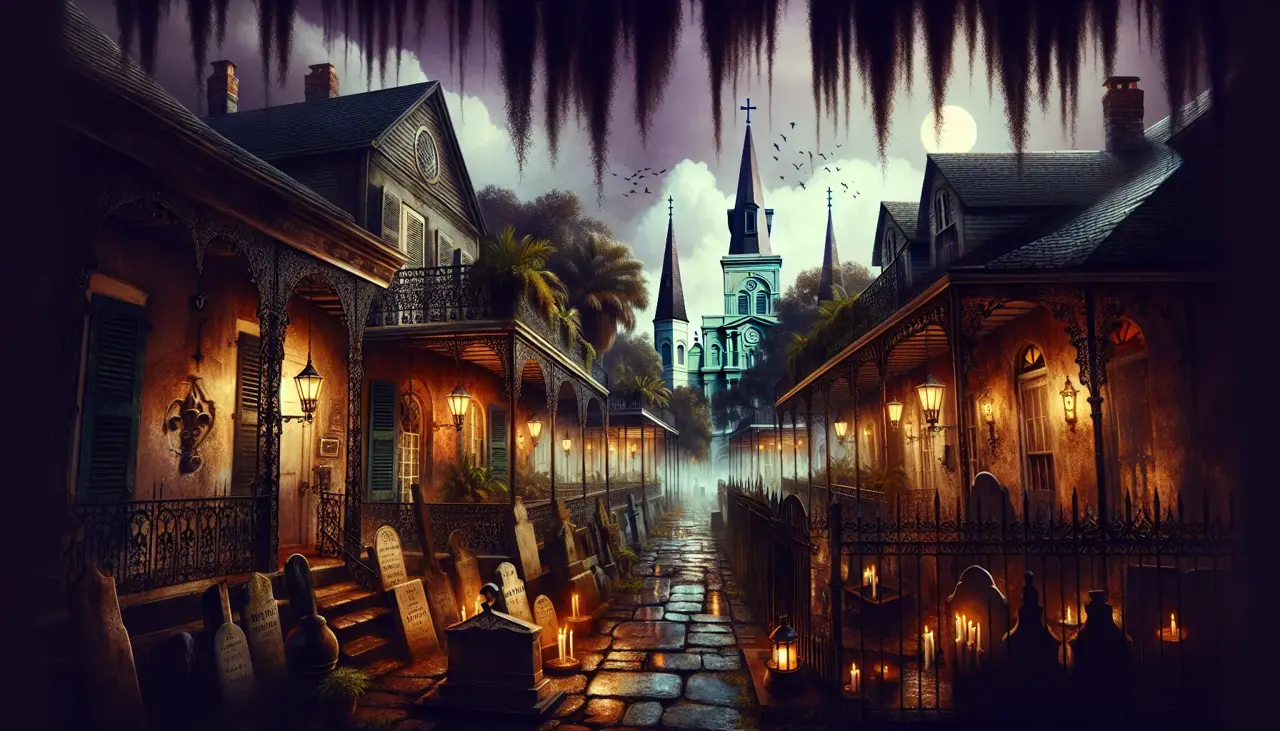
Marie Laveau: Voodoo Queen of New Orleans
Marie Laveau is the most famous figure in New Orleans voodoo history—and the most misunderstood. Separating the real woman from the myth.
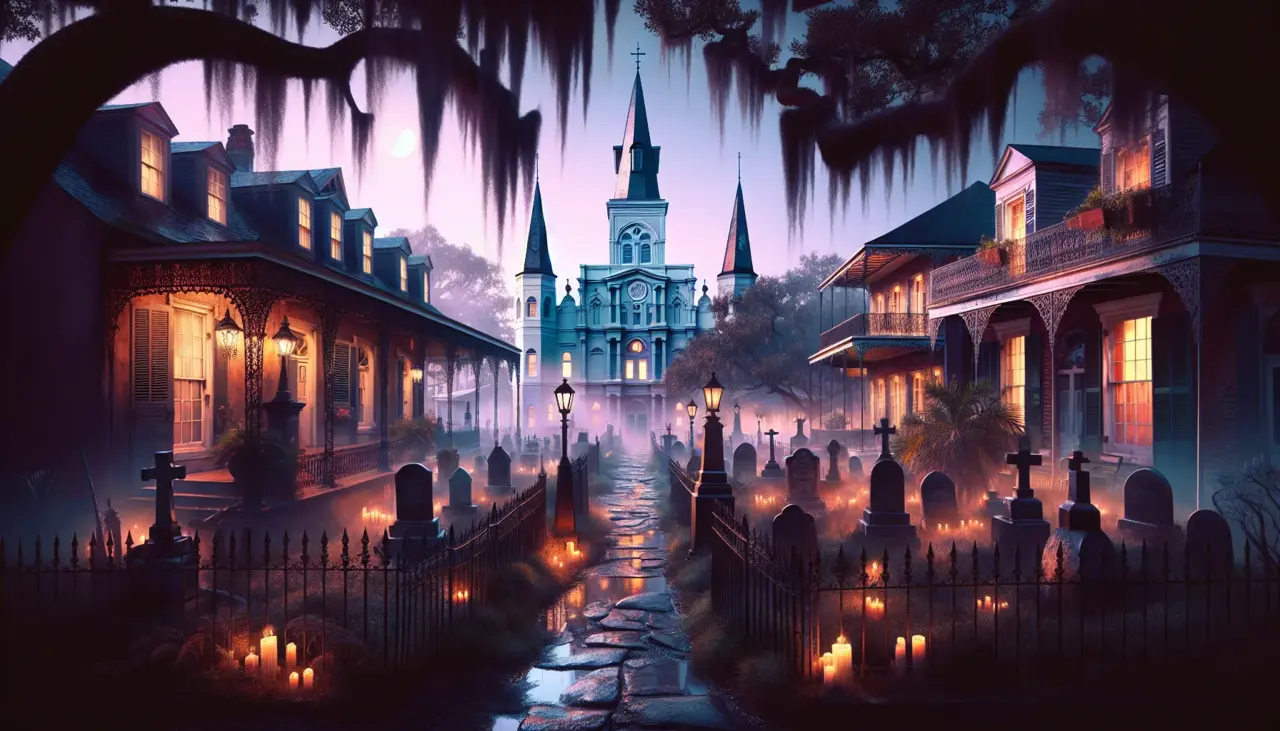
Most Haunted Places in New Orleans
New Orleans has more allegedly haunted locations per square mile than any American city. These are the places with documented histories.
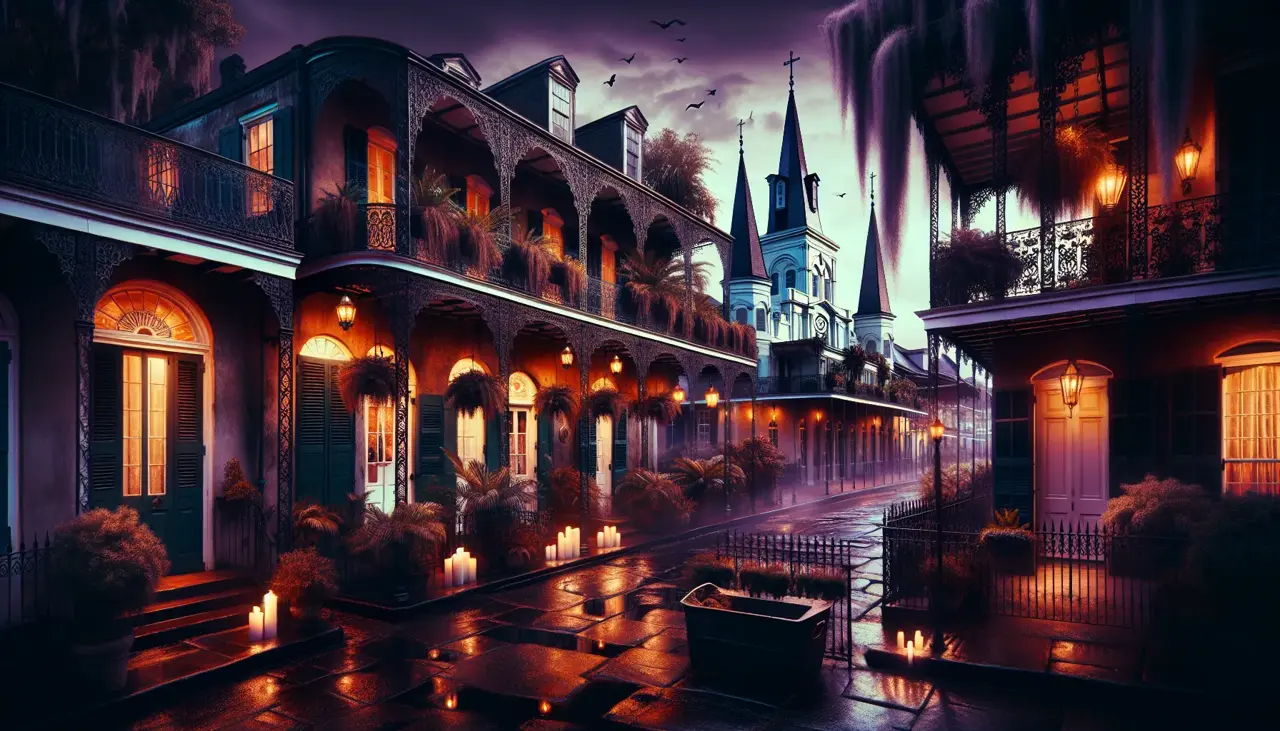
New Orleans Above-Ground Burials
New Orleans buries its dead above ground. The reasons behind this tradition reveal as much about the living as the dead.
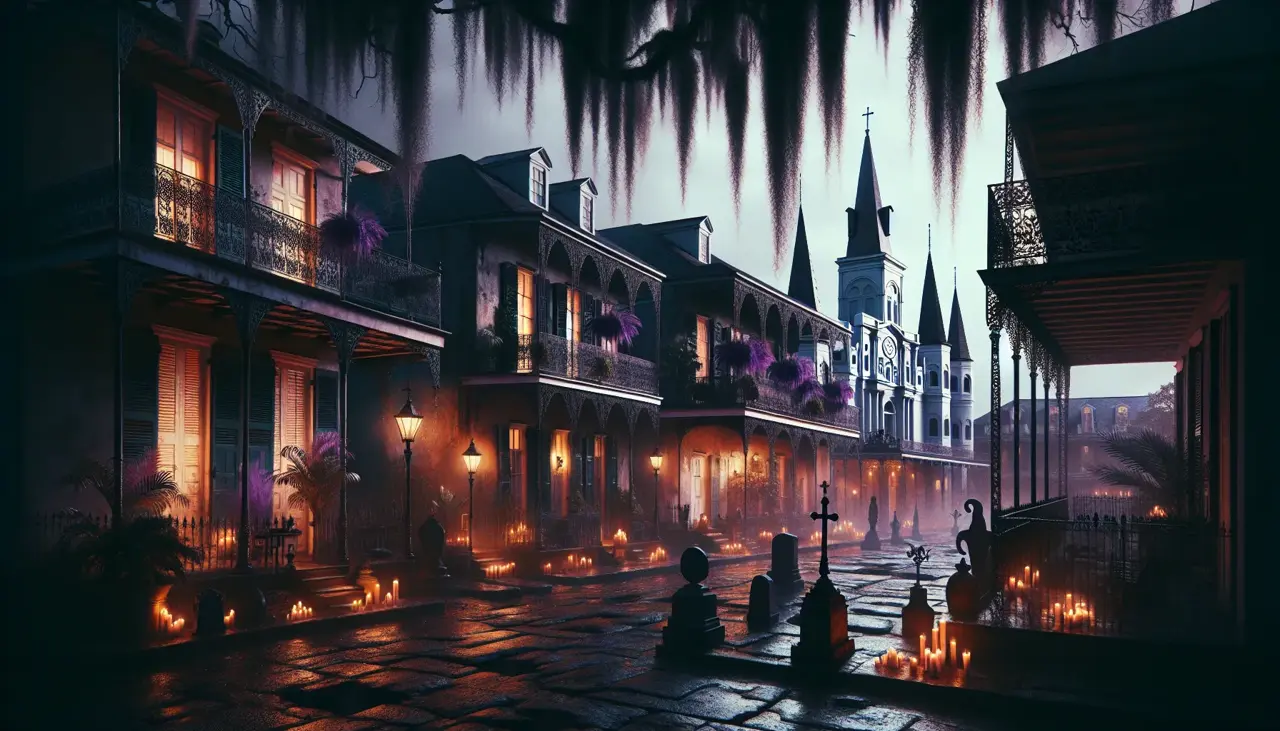
French Quarter Ghost Stories
The French Quarter spans roughly thirteen blocks by six. Within this compact grid lies one of the highest concentrations of hauntings in America.
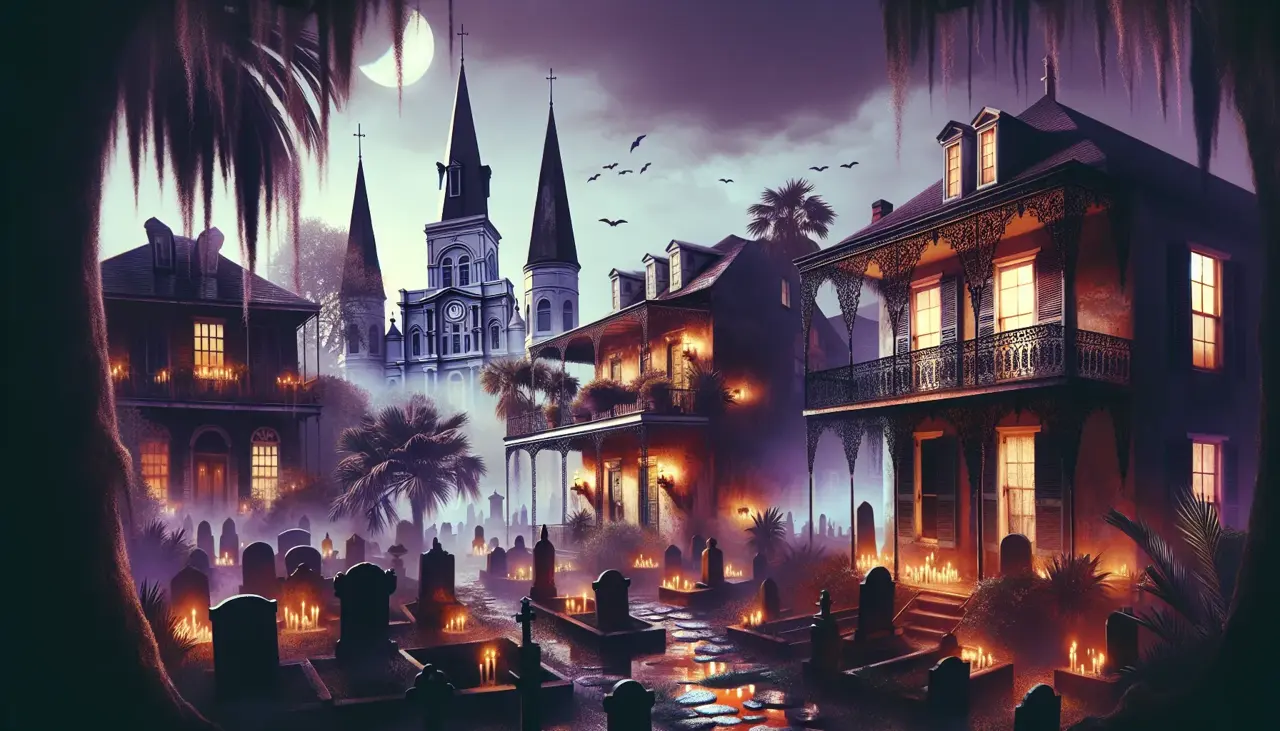
New Orleans Ghost Tours: What to Expect
New Orleans ghost tours vary enormously in quality. Knowing what to expect helps you pick a tour worth your time and money.
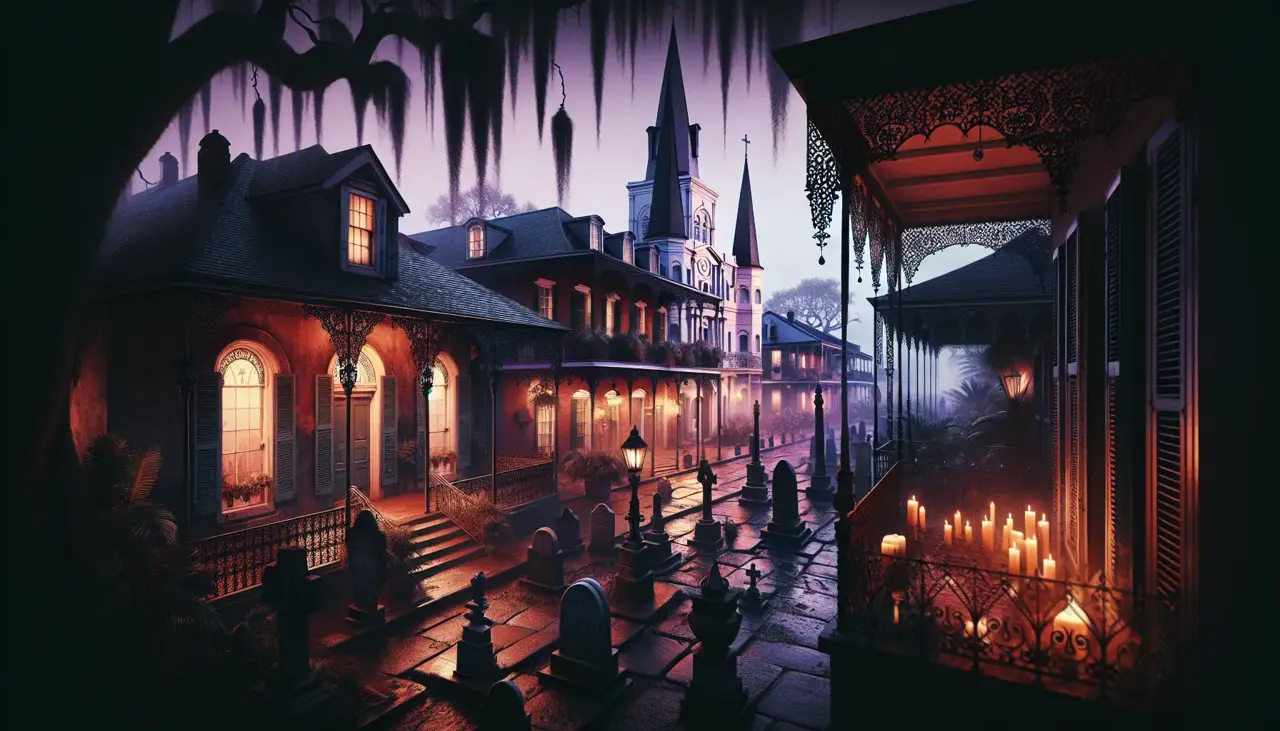
New Orleans Voodoo & Haunted History
New Orleans is not merely haunted—it is saturated with the dead, their stories, their rituals, and the places where history refuses to stay buried.
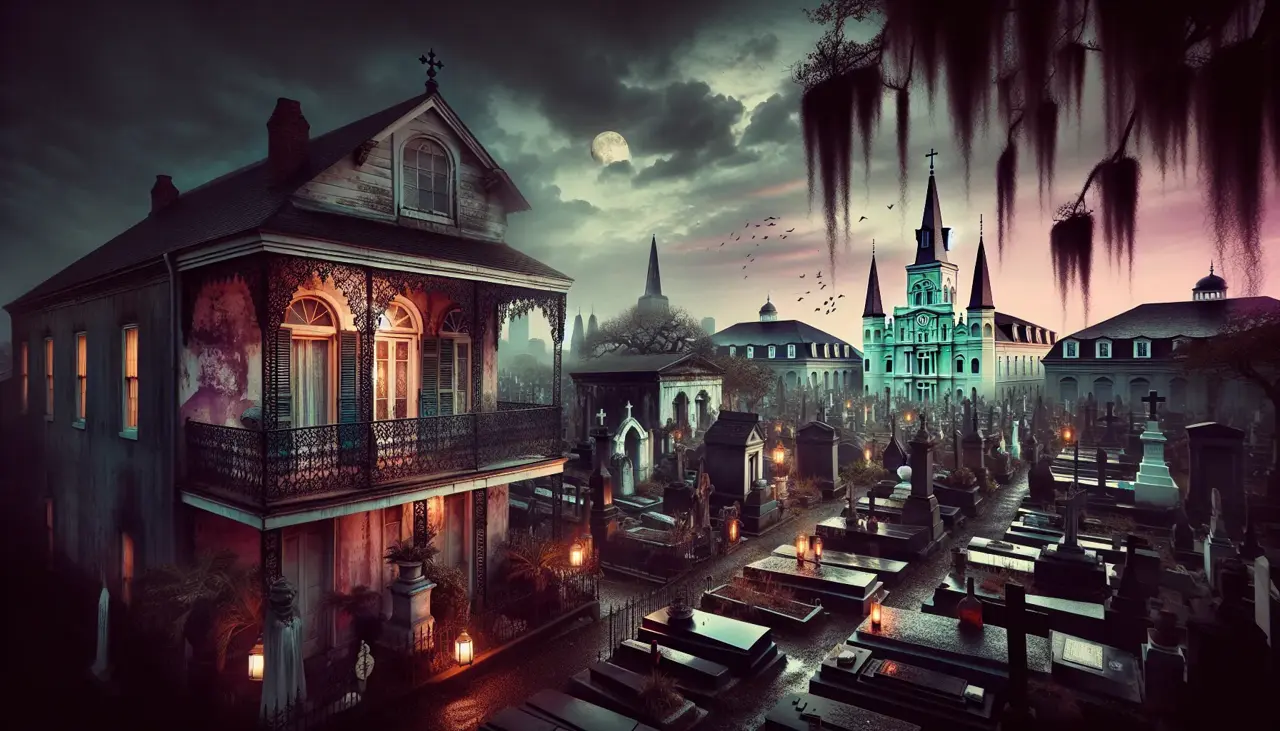
St. Louis Cemetery No. 1: History
St. Louis Cemetery No. 1 is the oldest cemetery in New Orleans, established 1789. Its above-ground tombs hold the city's most storied dead.
Voodoo vs Hoodoo: What's the Difference?
Voodoo and hoodoo are frequently confused and sometimes deliberately conflated. In New Orleans, the distinction matters.
Common Questions
Frequently Asked Questions
Are New Orleans ghost tours based on real history?
Do ghost tours enter cemeteries?
Are ghost tours scary?
How long do ghost tours usually last?
Do I need to book in advance?
Keep Exploring
Explore More Haunted Cities
Discover ghost tours in other historic cities.