
18 Tours · 10 Articles
London Ghost Tours
London has been continuously inhabited for nearly 2,000 years. Founded as Londinium by the Romans around 43 AD, it was burned by Boudica in 60 AD, devastated by plague repeatedly from the 14th through 17th centuries, consumed by the Great Fire of 1666, and bombed extensively during the Blitz of 1940-41. Each catastrophe layered new construction over old burial sites, forgotten crypts, and the remains of previous generations.
The result is a city built on its own dead. Crossrail excavations in 2013 unearthed mass burial pits beneath Charterhouse Square containing victims of the Black Death. The Tube network runs through former plague burial grounds. Churches sit atop Roman temples. Victorian sewers intersect medieval crypts. London's ghost stories are not folklore—they are architectural biography.
Ghost tours in London navigate this layered history, from the medieval fortress of the Tower to the gaslit alleys of Whitechapel where Jack the Ripper operated in 1888. The city offers more variety of haunted experience than perhaps any other destination in the world, spanning two millennia of documented death and the stories that survived it.
Why London Is Haunted
The Great Plague of 1665 killed an estimated 100,000 Londoners—roughly a quarter of the city's population—in 18 months. Bodies were collected nightly by dead-carts and deposited in mass graves throughout the city. Many of these plague pits were never properly mapped and were built over during subsequent development. Construction projects continue to uncover human remains across central London.
The Great Fire of London in September 1666 destroyed 13,200 houses, 87 churches, and most civic buildings within the old Roman walls. The official death toll of six is universally considered a fiction—the fire burned so hot that many bodies were likely incinerated entirely. The rebuilding of London proceeded rapidly, often directly atop the ruins and remains of what had burned.
The Tower of London, in continuous use since 1066, has served as a royal palace, prison, execution site, armory, and zoo. At least seven people were beheaded within its walls, including Anne Boleyn and Catherine Howard. The Princes in the Tower—Edward V and Richard of York—disappeared in 1483 under circumstances that remain debated. Skeletons believed to be theirs were discovered beneath a staircase in 1674.
In the autumn of 1888, five women were murdered in Whitechapel in a series of killings attributed to "Jack the Ripper." The case was never solved. The murders generated unprecedented media coverage and fundamentally altered public awareness of conditions in London's East End. The documented police files, witness statements, and autopsy reports provide ghost tours with an unusually detailed factual foundation.
Jack the Ripper Tours
Jack the Ripper tours are London's most popular ghost tour format, with multiple companies operating nightly in Whitechapel. The tours follow the documented sequence of the five canonical murders: Mary Ann Nichols on Buck's Row (now Durward Street), Annie Chapman on Hanbury Street, Elizabeth Stride on Berner Street, Catherine Eddowes in Mitre Square, and Mary Jane Kelly at 13 Miller's Court.
CANONICAL VICTIMS OF JACK THE RIPPER
The quality of Ripper tours varies significantly. The best guides draw on primary sources—police reports, inquest testimony, and contemporary newspaper accounts—rather than speculation about the killer's identity. Tours that focus on the victims' lives and the social conditions of 1888 Whitechapel tend to be more historically valuable than those that emphasize the gore of the murders themselves.
“Jack the Ripper killed five women in the Whitechapel district over just ten weeks in the autumn of 1888, and the case remains unsolved.”
While much of Whitechapel has been redeveloped, key locations remain recognizable. Mitre Square, where Catherine Eddowes was killed, retains its enclosed layout. The Ten Bells pub on Commercial Street, frequented by at least two of the victims, still operates. Tours typically last two hours and cover approximately one mile of East London streets.
Tower of London
The Tower of London has generated reports of apparitions for over five centuries. Anne Boleyn, beheaded on May 19, 1536, is the most frequently reported spirit—seen walking near the Chapel Royal of St. Peter ad Vincula, where her remains were buried beneath the altar floor. Lady Jane Grey, queen for nine days before her execution in 1554, has been reported by guards in the Tower's Salt Tower.
The Yeoman Warders, who live within the Tower complex, have documented unexplained experiences across multiple generations. A 1957 account by a Guardsman describes encountering a white figure on the battlements that passed through him, leaving a sensation of extreme cold. The Tower's archives contain similar reports dating back centuries.
While the Tower itself offers excellent daytime tours through Historic Royal Palaces, evening ghost tours operate in the surrounding area, combining Tower history with the nearby St. Katharine Docks, the execution site at Tower Hill, and the medieval streets of the City of London.
Haunted Pub Tours
London's pub culture stretches back centuries, and many of the city's oldest establishments carry their own documented ghost stories. The Grenadier in Belgravia, tucked at the end of a mews, is reputedly haunted by a young soldier who was beaten to death after being caught cheating at cards. The pub's ceiling is covered in banknotes left by visitors hoping to settle the dead man's gambling debts.
The Viaduct Tavern near the Old Bailey was built in 1869 on the site of a debtors' prison. The cellars, which retain the original prison cells, are accessible by arrangement and have generated persistent reports of unexplained phenomena. The Flask in Highgate, dating to 1663, sits adjacent to Highgate Cemetery and claims multiple resident spirits.
Haunted pub crawls typically visit 4-5 establishments over three hours, with walking segments between stops that cover additional historical ground. The combination of atmospheric Victorian and Georgian interiors with well-researched historical narrative makes London's pub tours a distinctive experience.
Plague & Great Fire History
Tours focused on the Great Plague and the Great Fire walk visitors through a 14-month sequence that fundamentally reshaped London. The plague began appearing in parish records in late 1664, peaked in September 1665 with over 7,000 deaths in a single week, and subsided only when the Great Fire of September 1666 destroyed much of the infected city. Whether the fire actually ended the plague remains debated by historians.
Charterhouse Square, confirmed as a Black Death burial site during Crossrail excavations, provides a tangible connection to the 14th-century pandemic that killed an estimated 30-50% of Europe's population. The square is a public space that most visitors walk across without awareness of the approximately 50,000 bodies buried beneath their feet.
St. Bride's Church on Fleet Street contains a crypt where archaeological excavations revealed over 7,000 burials spanning the medieval through Victorian periods. The crypt is accessible to visitors and provides one of London's most direct encounters with the physical reality of the city's layered dead.
Royal Ghost Tours
Hampton Court Palace, accessible from central London by train, has been the subject of reported hauntings since the 16th century. Catherine Howard, fifth wife of Henry VIII, was arrested at the palace in 1541 and reportedly ran screaming through what is now called the Haunted Gallery before being dragged away by guards. Visitors and staff have reported hearing screams in the gallery for centuries.
YEARS OF RECORDED HAUNTINGS IN LONDON
In 2003, CCTV cameras at Hampton Court captured footage of a figure in period dress opening and closing a fire door. The footage, released by Historic Royal Palaces, generated international media attention and has never been conclusively explained. The palace offers its own ghost tours during October and by special arrangement.
Kensington Palace, still a working royal residence, has generated reports of spectral figures in its public galleries. The most persistent involves King George II, who died at the palace in 1760 and has reportedly been seen gazing from the windows toward the weather vane, waiting for winds favorable enough to bring ships from his native Hanover.
<!-- Mobile Tour Cards (hidden on desktop where sidebar shows) -->
<TourGrid tours={tours} />

Related Reading
Explore London Articles
In-depth guides to London's haunted history, famous ghosts, and dark legends.
Haunted Pubs of London: Where History Drinks
Explore London's most haunted pubs - from The Grenadier to Ye Olde Cheshire Cheese. History, ghost stories and eerie encounters in iconic taverns.
Jack the Ripper: A Walking Guide Through Whitechapel
Jack the Ripper: Whitechapel walking guide—trace 1888 crime scenes, police & press records, hauntings, and ethical, practical tips for respectful tours.
London's Plague Pits: The Hidden Dead Beneath the City
London's plague pits: mass graves from 1348-50 and the 1665 Great Plague lie beneath streets.
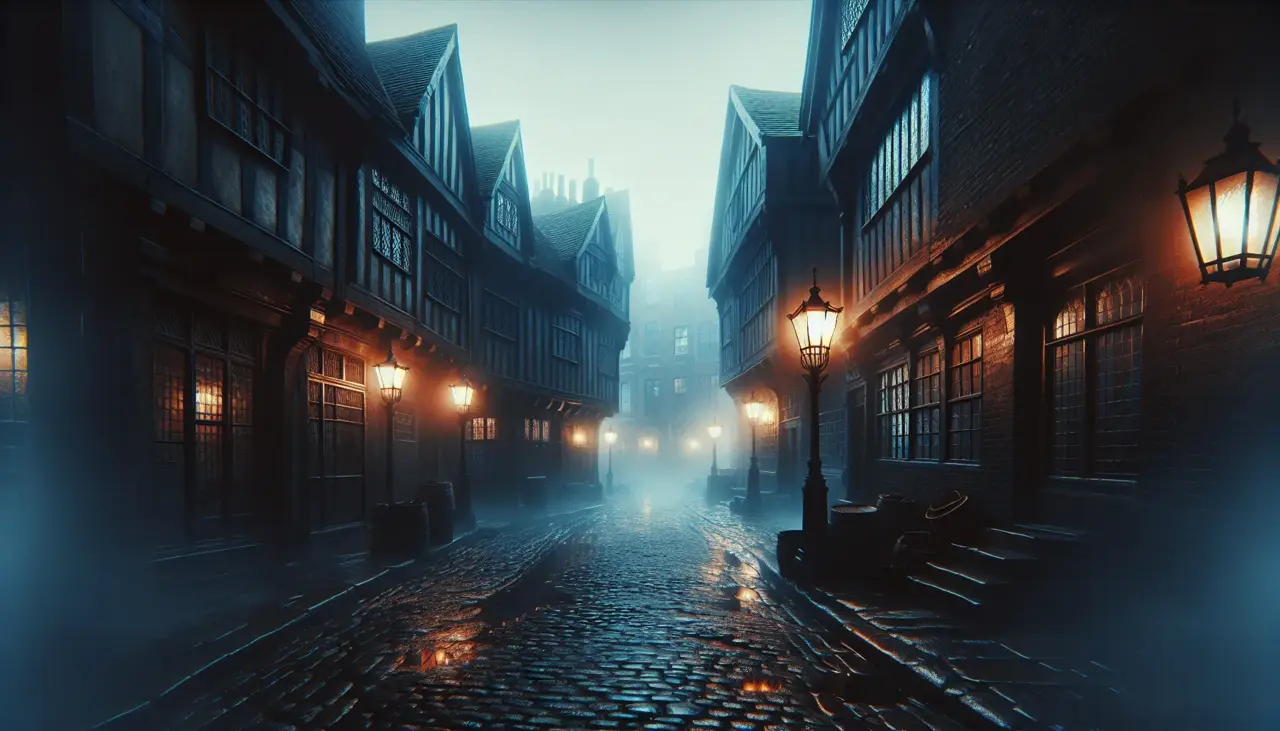
Most Haunted Places in London: From the Tower to the Tube
Explore London's most haunted sites - Tower, Highgate, the Tube, Hampton Court, Whitechapel's Ten Bells & the Enfield poltergeist: history meets mystery &.
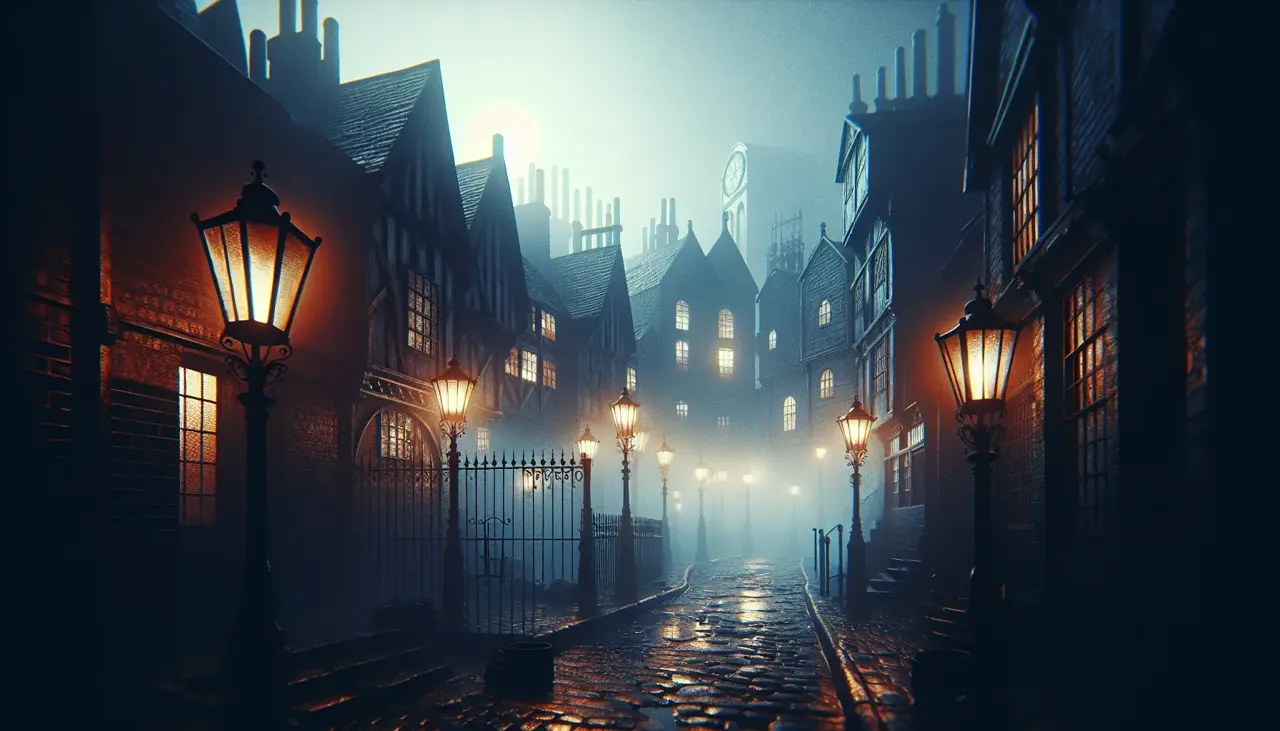
Tower of London Ghosts: Nine Centuries of the Restless Dead
Explore nine centuries of hauntings at the Tower of London—history, famed phantoms (Anne Boleyn, Lady Jane Grey, the Princes), witness accounts &.
Common Questions
Frequently Asked Questions
Where do Jack the Ripper tours take place?
Is the Tower of London really haunted?
Can you visit London plague pits?
What is the best London ghost tour for history lovers?
Keep Exploring
Explore More Haunted Cities
Discover ghost tours in other historic cities.