Cursed Tours

Salem Witch Trials

Where mass hysteria condemned the innocent

In 1692, accusations of witchcraft tore through Salem Village, leading to the execution of twenty people and the imprisonment of hundreds more.

Why It Matters

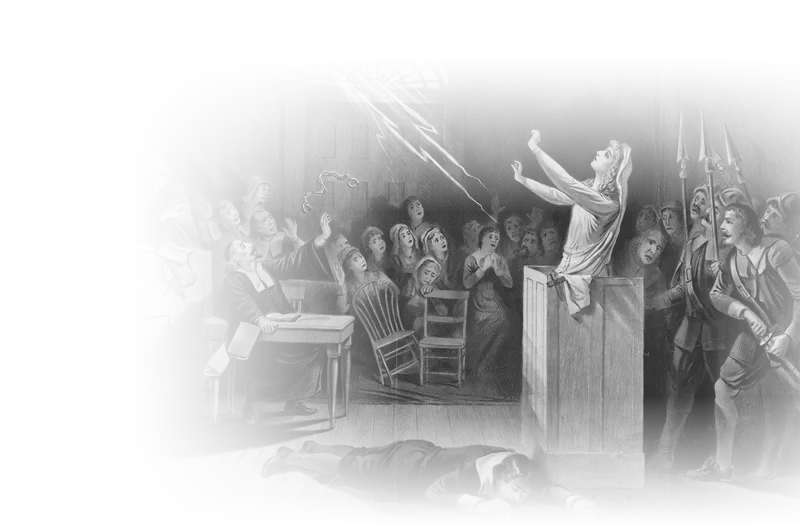
The Salem witch trials remain America's most infamous episode of mass hysteria and judicial murder. Between February 1692 and May 1693, more than 200 people were accused of practicing witchcraft. Nineteen were hanged on Gallows Hill, one was pressed to death with stones, and at least five died in jail. The accused ranged from a four-year-old child to elderly church members. The trials exposed the dangers of spectral evidence, religious extremism, and community paranoia. Today, Salem has transformed its dark legacy into a memorial and a warning. The Witch Trials Memorial lists the names of the executed, while museums examine how fear and accusation can destroy communities. The word "witch hunt" entered the language as a permanent reminder of Salem's horror.

Frequently Asked Questions

How many people were killed in the Salem witch trials?
Twenty people were executed during the Salem witch trials of 1692–1693. Nineteen were hanged at what is now known as Proctor's Ledge (not Gallows Hill, as long believed — the actual site was only confirmed by researchers in 2016). One man, Giles Corey, was pressed to death with heavy stones over two days after refusing to enter a plea. At least five more accused died in jail awaiting trial, including an infant born in prison.
What caused the Salem witch trials?
Historians point to a convergence of factors: a recent smallpox epidemic, ongoing frontier warfare with Native Americans, economic tensions between Salem Village and the wealthier Salem Town, a new and controversial minister (Samuel Parris), and Puritan theology that saw the Devil as an active force in daily life. The immediate trigger was the strange behavior of two young girls — Betty Parris and Abigail Williams — in January 1692, which a local doctor attributed to witchcraft. Once accusations began, the colony's use of 'spectral evidence' (testimony that the accused's spirit appeared to the witness) made it nearly impossible for anyone to defend themselves.
Where did the witch trials executions happen?
Executions took place at Proctor's Ledge (identified in 2016), not Gallows Hill as long believed. The site now has a small memorial. Bodies were buried in shallow graves nearby.
Who was the youngest person accused in the Salem witch trials?
Dorothy Good (often misrecorded as Dorcas) was just four years old when she was arrested and jailed in March 1692. She was the daughter of Sarah Good, one of the first three women accused. After interrogation, young Dorothy reportedly said her mother had given her a snake that sucked her blood — testimony that was used against her mother. Dorothy spent eight months in prison, chained to the wall. Her father later testified that she was never the same after her imprisonment.
Is the Salem Witch House actually connected to the trials?
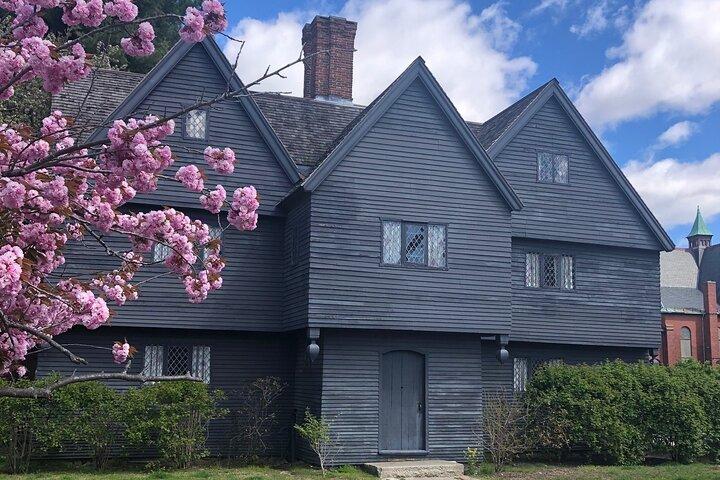
Yes. The Witch House at 310 Essex Street was the home of Judge Jonathan Corwin, who investigated the initial witchcraft complaints and served as a magistrate throughout the trials. It is the only structure still standing in Salem with direct ties to the 1692 events. Accused witches were brought here for preliminary examinations before formal hearings. The house has been restored to its 1692 appearance and is now a museum.