Dracula's Castle
Bran Castle, Transylvania
The Transylvanian fortress where Bram Stoker set literature's most famous vampire — and where centuries of real dark history lurk behind the legend
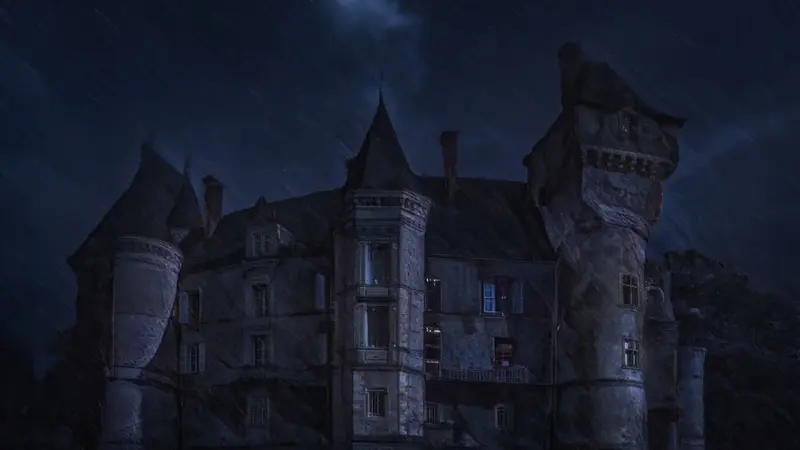
When Bram Stoker imagined a remote castle perched above a Transylvanian mountain pass, he created the most iconic setting in horror literature. Bran Castle — the real fortress that inspired Dracula's lair — stands at the border between myth and history, where the brutal legacy of Vlad the Impaler collides with the Gothic imagination that made this place famous worldwide.
Why It Matters
Dracula's Castle stands at the intersection of real medieval brutality and the Gothic imagination that transformed a Transylvanian fortress into the most famous haunted castle on Earth. The connection between Bran Castle and the vampire Count Dracula is literary — invented by Bram Stoker in 1897 — but the real history behind these walls is arguably darker than any fiction. For over six centuries, this castle has guarded a mountain pass where empires clashed, armies marched, and a prince nicknamed "the Impaler" earned his reputation through methods that horrified even his contemporaries.
The Real History: A Fortress Built for War
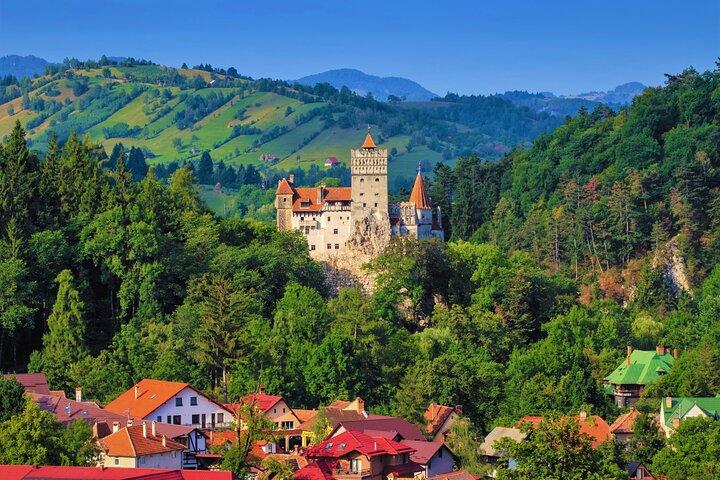
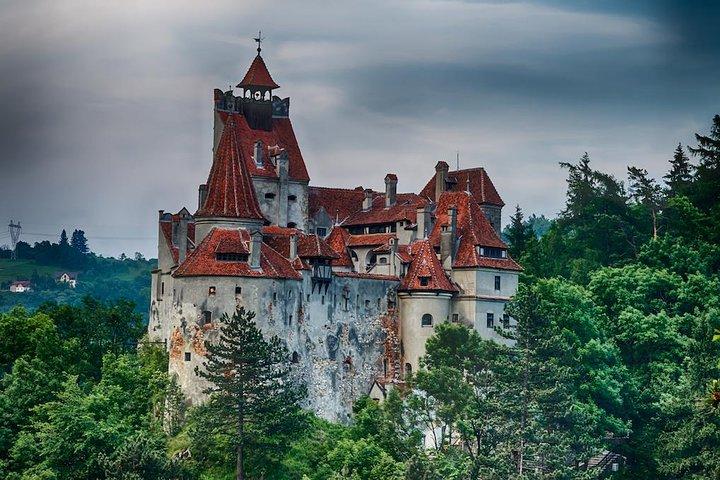
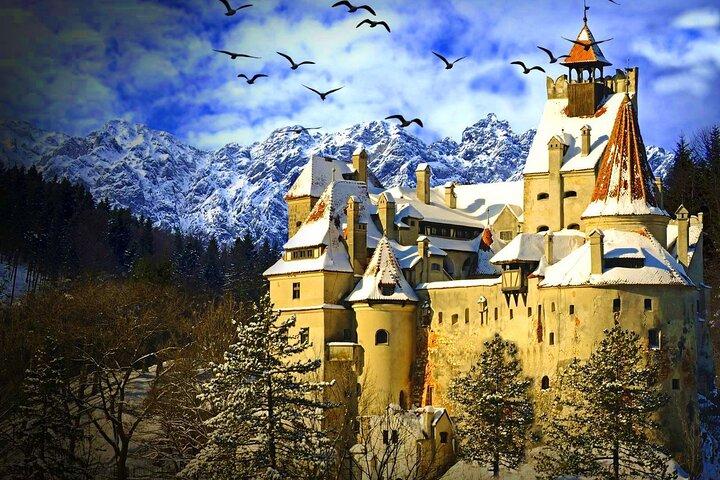
Bran Castle was constructed in 1388 by Saxon merchants from the nearby city of Brașov, who needed a customs post and defensive stronghold to guard the Bran Pass — the critical mountain route connecting Transylvania to Wallachia. The castle's strategic position atop a 200-foot cliff made it nearly impregnable. Over the centuries it changed hands between Hungarian kings, Wallachian princes, and Habsburg rulers. It served as a border checkpoint where trade goods were taxed, a military garrison during Ottoman invasions, and eventually a royal residence. Queen Marie of Romania restored the castle in the 1920s, filling it with art and furniture that remain on display today. After World War II, the communist regime seized the castle; it was returned to the Habsburg family in 2009 and opened as a museum.
Vlad the Impaler: The Man Behind the Monster
Vlad III, Prince of Wallachia, earned the epithet "Țepeș" (the Impaler) through his preferred method of execution — driving sharpened stakes through the bodies of enemies and leaving them displayed as warnings. During his reign from 1456 to 1462, Vlad is estimated to have killed between 40,000 and 100,000 people through impalement, burning, skinning, and boiling alive. His cruelty was legendary even in an era that expected brutality from its rulers. Vlad's connection to Bran Castle itself is tenuous — he likely passed through the fortress during military campaigns and may have been briefly imprisoned here. But it was his reputation as a bloodthirsty warlord that gave Bram Stoker the raw material to create Count Dracula.
Bram Stoker's Invention: How a Novel Created a Legend
Bram Stoker never visited Romania. Working from travel guides, maps, and accounts of Transylvanian geography in the British Museum reading room, the Irish author crafted a fictional castle that matched Bran's description almost perfectly: a fortress perched on a cliff above a mountain pass, surrounded by dense forests and the Carpathian peaks. Stoker borrowed Vlad's patronymic — Dracula, meaning "son of the dragon" — for his vampire count, blending Wallachian history with Eastern European vampire folklore and his own Gothic imagination. The novel was published in 1897 and slowly grew into one of the most influential horror stories ever written. By the mid-20th century, Bran Castle had become irrevocably identified as "Dracula's Castle" in the popular imagination, drawing visitors from around the world.
Visiting Today: What to Expect
The castle museum spans four floors of winding staircases, narrow corridors, and period-furnished rooms that reflect Queen Marie's early 20th-century restoration. Highlights include a basement torture exhibit, a secret passage connecting the first and third floors, medieval weapons displays, and a courtyard well that — according to local legend — connects to underground tunnels. Outside, the village of Bran has built a cottage industry around Dracula tourism, with souvenir markets, themed restaurants, and a Halloween festival that has become one of Europe's largest. Most visitors arrive on organized day trips from Bucharest (a three-hour drive) or Brașov (30 minutes), often combining the visit with nearby Peleș Castle and the medieval city center of Brașov.
Frequently Asked Questions
Is Bran Castle really Dracula's castle? ▼
Who was Vlad the Impaler? ▼
What is the secret passage inside Bran Castle? ▼
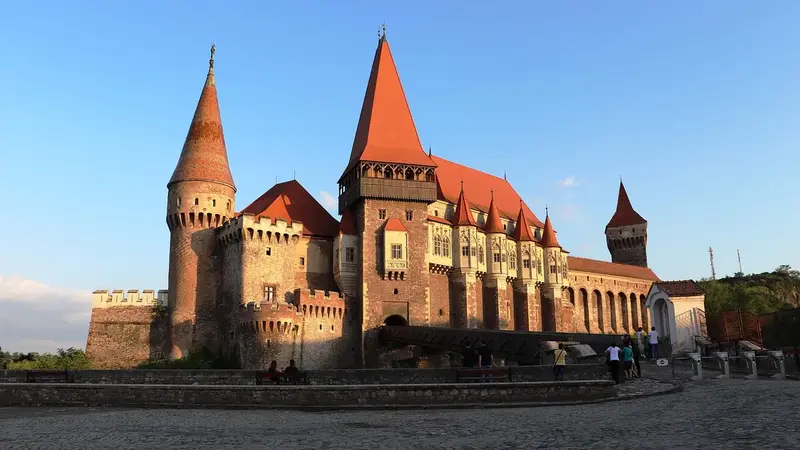
Is Bran Castle the same as Corvin Castle? ▼
Why did Bram Stoker choose Bran Castle for Dracula? ▼
Did Vlad the Impaler actually live at Bran Castle? ▼
Who was Queen Marie and why is she connected to Bran Castle? ▼
Does Bran Castle have a Halloween event? ▼
What was the Order of the Dragon? ▼
Related Articles
Transylvania's Dracula Tourism Industry
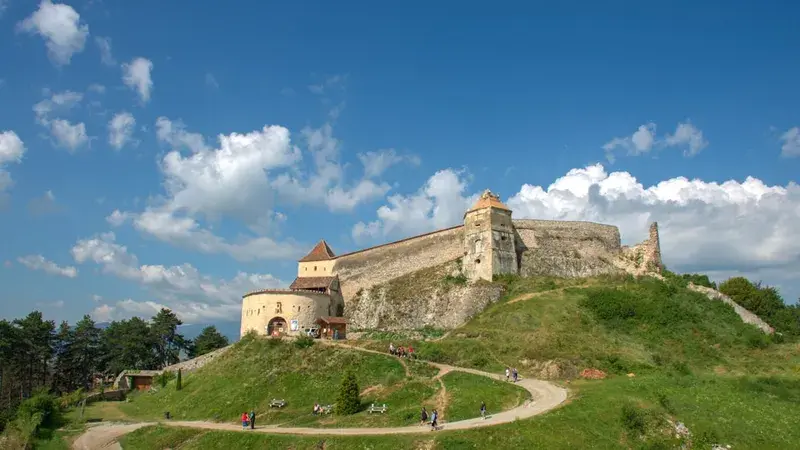
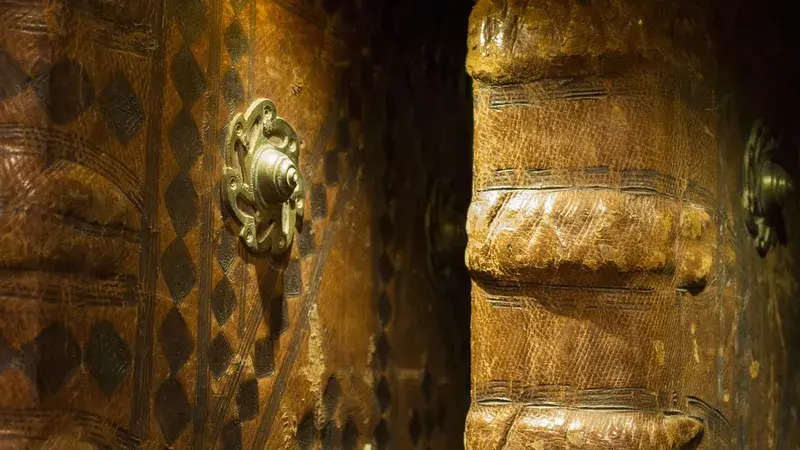
Bran Castle sits on a rocky outcrop near Brasov in central Romania, surrounded by souvenir shops selling plastic fangs and Dracula wine.
Dracula: The Novel That Invented Modern Horror
Bram Stoker published Dracula on May 26, 1897, through a London publisher without fanfare.
Vampire Folklore of Eastern Europe: Where the Legends Began
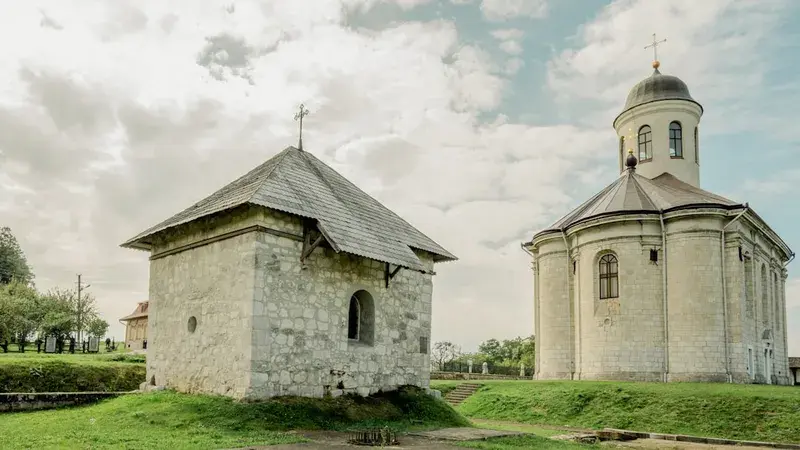
Vampire belief in Eastern Europe did not emerge from fiction. It grew from the dirt — literally, from disturbed graves and the unsettling realities of...
Bram Stoker's Dublin: Where Dracula Was Born
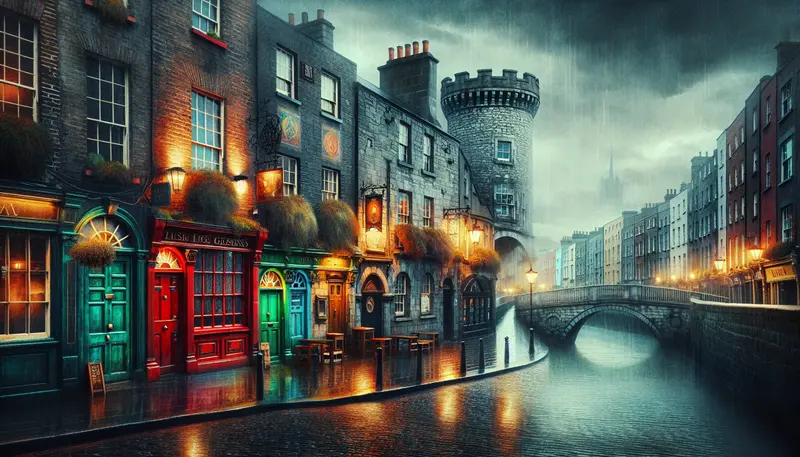
Explore Bram Stoker's Dublin: 15 Marino Crescent, Trinity College, cathedrals, Georgian squares, ghost lore and walking stops that shaped Dracula's.
Real Vampire Legends Throughout History
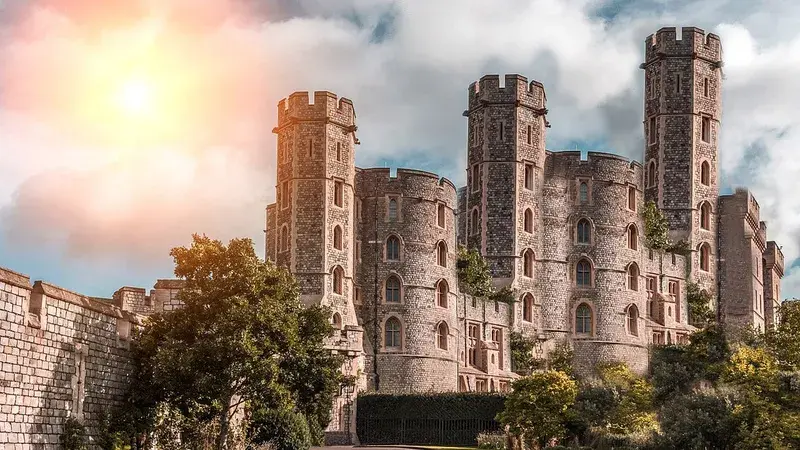
Vampire-like creatures haunt the mythologies of nearly every civilization that practiced burial.
Real Vampire Hunters Throughout History
In Balkan folklore, the dhampir occupied a unique position in the supernatural ecosystem — the offspring of a vampire father and a human mother, born with.
All Tours
Bucharest to Dracula Castle, Peles Castle and Brasov Guided Tour
Day trip to Dracula's Castle, Peles Castle and Medieval Brasov
12 hours
Private Day Trip to Transylvania: Dracula Castle, Royal Palace, Brasov Old Town
10 hours
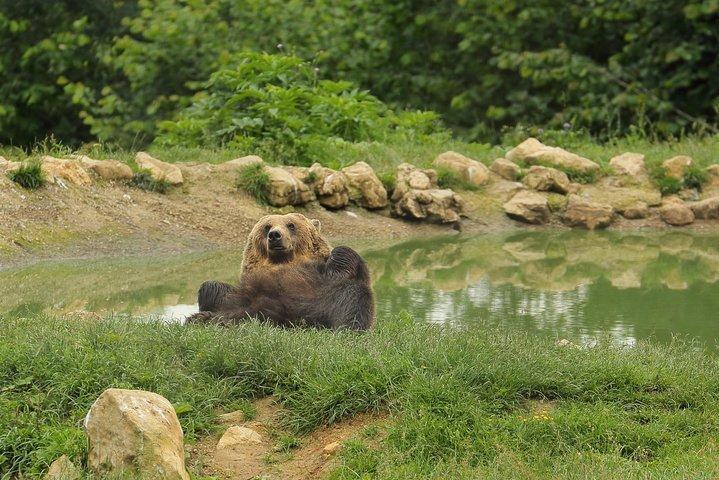
Transylvania with Dracula Castle, Bear Sanctuary and Brasov
14 hours
Transylvania and Dracula Castle Full Day Tour from Bucharest
12 hours