16 Tours · 8 Articles
Chicago Ghost Tours
Chicago burned to the ground on October 8, 1871. The Great Fire killed approximately 300 people, destroyed 17,500 buildings, and left a third of the city's population homeless. The city rebuilt with astonishing speed—but the dead stayed. What rose from those ashes became a metropolis defined by ambition, violence, and a haunted history that reaches from the lakefront to the prairie.
Before Al Capone turned the city into a symbol of Prohibition-era lawlessness, Chicago was already accumulating ghosts. The Eastland Disaster of 1915 killed 844 passengers when a steamer capsized in the Chicago River—more deaths than the Titanic relative to passenger count. H.H. Holmes built his Murder Castle during the 1893 World's Fair, luring victims into a building designed for killing. And at Bachelor's Grove Cemetery, paranormal investigators have documented over 100 separate incidents since the 1960s.
Chicago's ghost tours navigate a city where the past never fully receded. The buildings changed, the streets were raised, entire rivers were reversed—but the stories of the dead persist in the architecture, the underground passages, and the cemeteries that dot the metropolitan landscape.
Why Chicago Is Haunted
The Great Chicago Fire started in or near the O'Leary barn on DeKoven Street on the evening of October 8, 1871. Fueled by drought conditions and wooden construction, it burned for two days and consumed 3.3 square miles of the city. The fire jumped the Chicago River twice. Bodies were found in wells, basements, and the lake where residents had fled for safety. The exact death toll remains unknown—official counts of around 300 are widely considered underestimates.
On July 24, 1915, the SS Eastland rolled onto its side while still docked at the Clark Street bridge in the Chicago River. The ship was carrying employees of Western Electric on a company picnic. Within minutes, 844 people drowned or were crushed, many of them trapped below deck. The temporary morgue was established at the nearby 2nd Regiment Armory—now the Harpo Studios building, later Oprah Winfrey's production facility, where employees have reported unexplained sounds and cold spots for decades.
H.H. Holmes, born Herman Webster Mudgett, constructed his "Murder Castle" at 63rd and Wallace streets in preparation for the 1893 World's Columbian Exposition. The three-story building contained soundproof rooms, gas lines connected to chambers, a kiln, and chutes leading to the basement. Holmes confessed to 27 murders, though the actual number may have been significantly higher. The building was demolished in 1938 following a suspicious fire.
The Valentine's Day Massacre of 1929, where seven men associated with Bugs Moran's gang were lined against a wall and shot in a Lincoln Park garage, cemented Chicago's violent reputation. The wall itself was sold brick by brick to collectors. The site, now a parking lot adjacent to a nursing home, still draws visitors seeking traces of the event.
Downtown & Loop Ghost Tours
The Loop contains some of Chicago's most concentrated haunted history. Congress Hotel, opened in 1893 for the World's Fair, has reported paranormal activity on multiple floors—particularly Room 441 and the sealed-off "Gold Room." Staff and guests have documented cold spots, disembodied voices, and apparitions since at least the 1930s.
BUILDINGS DESTROYED IN THE GREAT CHICAGO FIRE
The Palmer House Hilton, operating since 1871, was destroyed in the Great Fire just 13 days after opening and rebuilt within two years. Reports of a spectral figure on the upper floors have persisted for over a century. The hotel's underground level connects to a network of tunnels that once served as pedestrian passageways and freight routes beneath the city.
“The Eastland capsized at its dock in the Chicago River, killing 844 passengers who were on their way to a company picnic.”
Walking tours through the Loop typically cover 1.5 to 2 miles over 90 minutes, passing architectural landmarks that double as documented haunting sites. The intersection of commerce, history, and the supernatural is visible at nearly every corner in Chicago's downtown core.
Cemetery Tours
Bachelor's Grove Cemetery in the Rubio Woods Forest Preserve has been generating paranormal reports since the 1960s. The small, abandoned cemetery—accessible only by a half-mile trail through the woods—has produced sightings of phantom farmhouses, a woman in white sitting on a tombstone (famously captured in a 1991 photograph), vanishing automobiles, and unexplained lights. It is arguably the most investigated cemetery in the United States.
Graceland Cemetery on the North Side holds many of Chicago's most prominent historical figures, including hotel magnate Potter Palmer, department store founder Marshall Field, and architect Ludwig Mies van der Rohe. The statue of Inez Clarke, a six-year-old who died in 1880, has generated reports for over a century—security guards have claimed the glass case housing the statue is occasionally found empty during thunderstorms.
Resurrection Cemetery in Justice, Illinois, is the home territory of "Resurrection Mary," Chicago's most famous ghost. Since the 1930s, drivers along Archer Avenue have reported picking up a young blonde woman in a white dress who vanishes as they pass the cemetery gates. In 1976, a passerby reported seeing a woman gripping the cemetery's iron bars from inside—police found the bars bent and scorched where hands would have gripped them.
Gangster & Crime History Tours
Prohibition turned Chicago into a battlefield. Between 1920 and 1933, over 700 gangland murders occurred in the city, most never solved. Al Capone's operations generated an estimated $100 million annually at their peak. Tours trace the geography of this violence—from Capone's headquarters at the Lexington Hotel to the site of the St. Valentine's Day Massacre at 2122 North Clark Street.
GANGLAND MURDERS DURING PROHIBITION-ERA CHICAGO
The Biograph Theater on Lincoln Avenue is where FBI agents shot John Dillinger on July 22, 1934. The "Lady in Red" who identified him to agents was actually wearing orange—a detail often corrected on tours. The theater still operates, and pedestrians have reported seeing a figure matching Dillinger's description in the adjacent alley.
The Green Mill Cocktail Lounge in Uptown, a former Capone favorite, retains its original 1920s interior. The tunnels beneath the building, used for bootlegging, are occasionally accessible during special tours. The bar itself operates nightly as a jazz club, preserving the atmosphere if not the clientele of its Prohibition-era heyday.
Haunted Pub Crawls
Chicago's haunted pub crawls combine the city's tavern culture with its documented supernatural history. Many of the oldest bars in Chicago predate Prohibition and have accumulated their own ghost stories independent of the larger narratives. Tours typically visit 3-4 establishments over two to three hours.
The Excalibur nightclub at 632 North Dearborn occupies the former Chicago Historical Society building, constructed in 1892. The Romanesque stone fortress has generated reports of apparitions on multiple floors, particularly in the dome room and basement areas. Multiple paranormal investigation teams have recorded anomalous readings in the building.
Red Lion Pub in Lincoln Park, founded by a British expatriate in 1984, began experiencing reported hauntings almost immediately after opening—despite the building's relatively recent construction. Staff have documented objects moving, unexplained sounds, and a persistent presence on the second floor. The pub leans into its reputation, making it a natural stop on crawl routes.
Architecture & Ghost Tours
Chicago invented the skyscraper, and its architectural history is inseparable from its haunted reputation. Many of the city's landmark buildings were constructed on the ashes of the Great Fire, atop earlier foundations, or over forgotten burial grounds. Architecture-focused ghost tours combine the city's design legacy with its darker history.
The Water Tower on Michigan Avenue, one of the few structures to survive the Great Fire, has been the subject of ghost stories since the 1870s. The most persistent involves a figure seen hanging inside the tower—reportedly a pump operator who, unable to escape the approaching flames, took his own life rather than burn.
The Wrigley Building, Tribune Tower, and Marina City each carry their own documented histories of unexplained events. Tours that combine architectural appreciation with supernatural narrative attract visitors who might not attend a conventional ghost tour, broadening the audience for Chicago's darker history.
Chicago Haunted History: Deep Dives
Explore the documented history behind Chicago's most famous hauntings.
Chicago's Most Haunted Places
Complete guide to every major haunted location in the city.
The Great Chicago Fire: Ghosts of 1871
How the fire that killed 300 and destroyed 17,500 buildings created a haunted city.
H.H. Holmes and the Murder Castle
America's first serial killer built a hotel designed for murder.
The Eastland Disaster
844 dead when a ship capsized in the Chicago River — the city's deadliest day.
Resurrection Mary
Chicago's most famous ghost has haunted Archer Avenue since the 1930s.
Bachelor's Grove Cemetery
Over 100 documented paranormal reports at America's most haunted graveyard.
Chicago's Gangster Ghosts
Capone, Dillinger, and the Valentine's Day Massacre — the ghosts of Prohibition.
The Congress Plaza Hotel
Room 441, the sealed Gold Room, and 130 years of ghost stories.
Chicago's Most Haunted Bars
From the Green Mill to the Red Lion Pub — where the spirits aren't all in bottles.
The Iroquois Theatre Fire
602 dead in 15 minutes — the deadliest building fire in American history.
<!-- Mobile Tour Cards (hidden on desktop where sidebar shows) -->
<TourGrid tours={tours} />

Related Reading
Explore Chicago Articles
In-depth guides to Chicago's haunted history, famous ghosts, and dark legends.
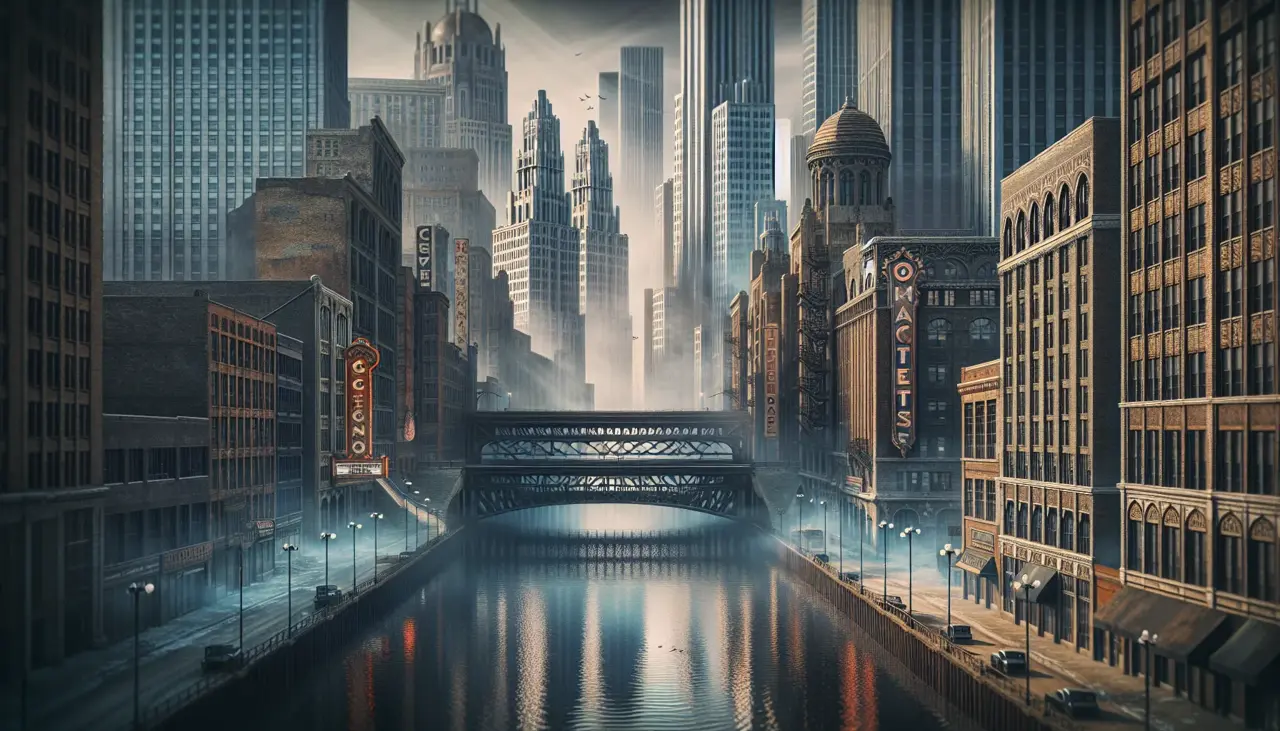
Bachelor's Grove: Most Haunted Cemetery
With over 100 documented paranormal reports since the 1960s, Bachelor's Grove Cemetery in the Chicago suburbs is the most investigated graveyard in.
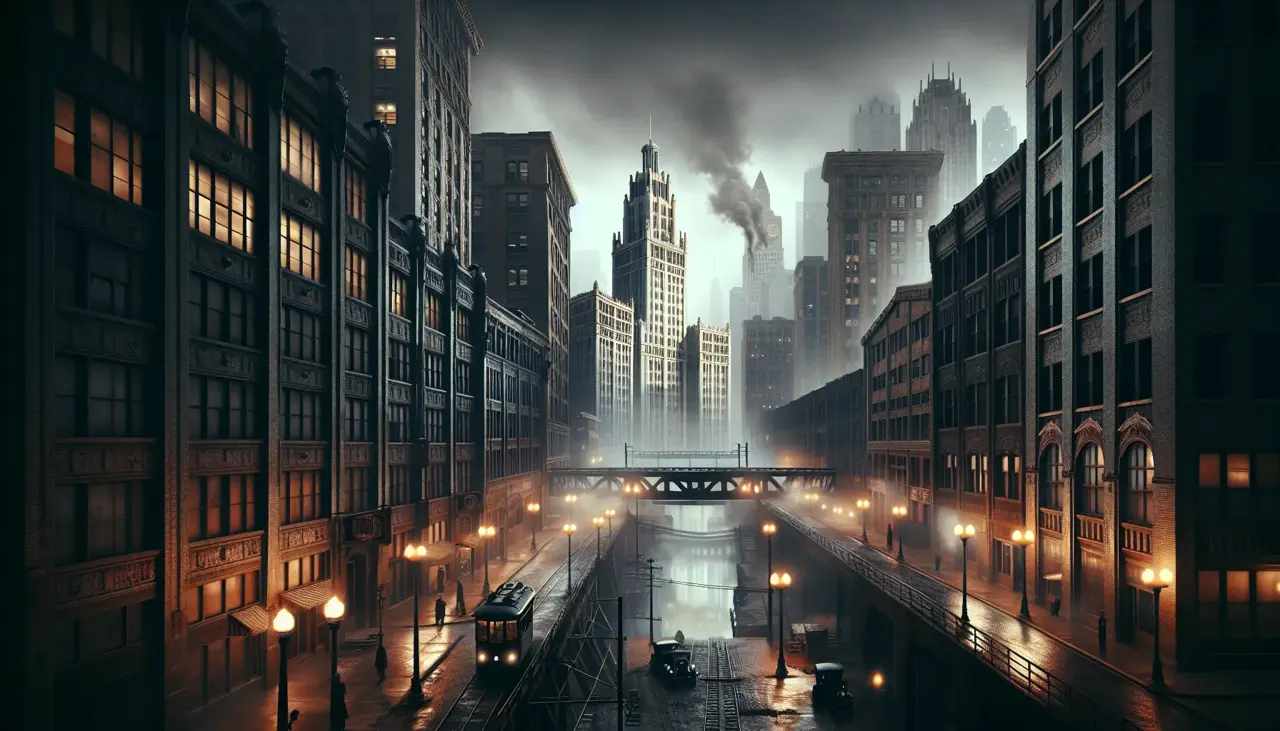
Chicago Gangster Ghosts: Capone & Dillinger
From the Valentine's Day Massacre to the Biograph Theater, Chicago's gangster era left behind ghosts as persistent as the legends themselves.
Chicago's Most Haunted Bars and Taverns
From Prohibition speakeasies to pre-Fire taverns, these are the Chicago bars where the spirits aren't all in bottles.
Congress Plaza Hotel: Haunted History
Open since 1893, the Congress Plaza Hotel on Michigan Avenue has accumulated over a century of ghost stories—from sealed-off ballrooms to Room 441.
The Eastland Disaster: Chicago's Deadliest Day
The SS Eastland capsized in the Chicago River in 1915, killing 844 people. The aftermath still haunts the city.
The Great Chicago Fire: Ghosts of 1871
The Great Chicago Fire killed 300 people and destroyed 17,500 buildings in two days. The ghosts of 1871 still haunt the city that rose from the ashes.
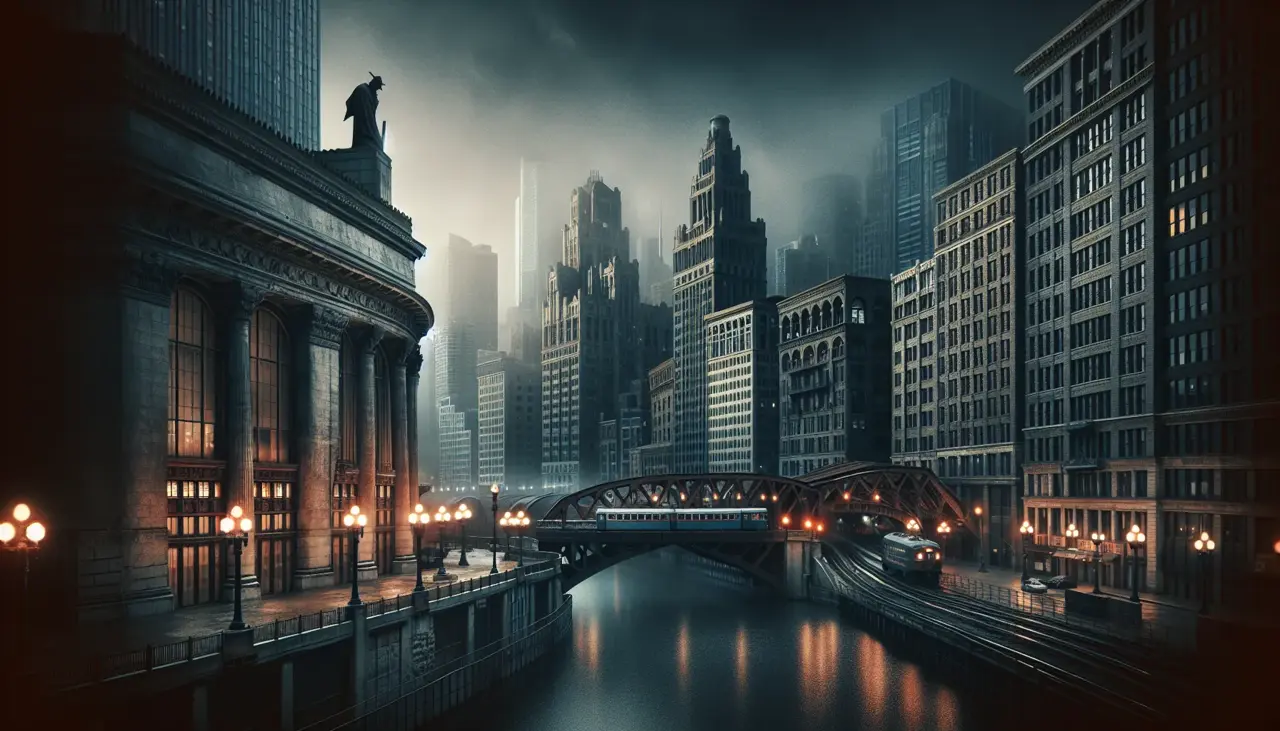
H.H. Holmes and the Murder Castle
H.H. Holmes built a three-story building designed for killing during the 1893 World's Fair. The true story of America's first documented serial killer.
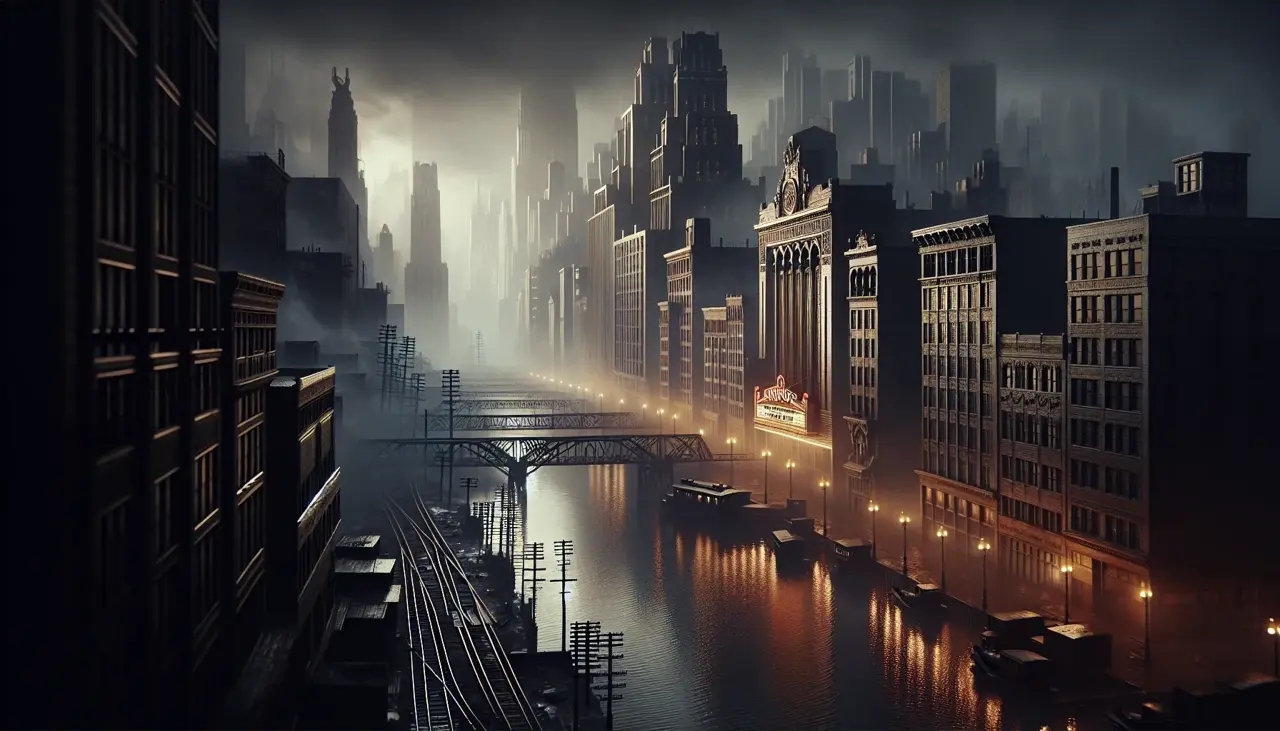
The Iroquois Theatre Fire of 1903
602 people died in the Iroquois Theatre fire—the deadliest building fire in American history. The site still haunts Chicago.
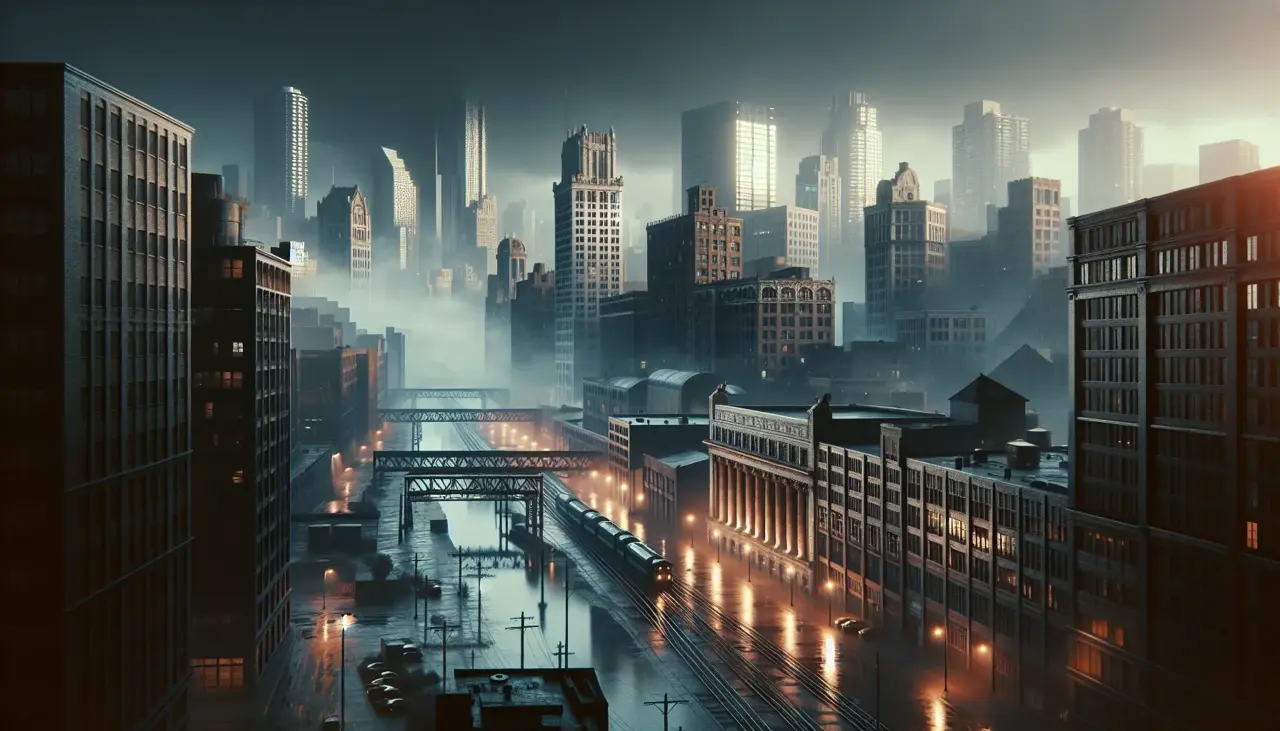
Most Haunted Hotels in Chicago: A History of Ghost Reports
Chicago's haunted hotels are some of the most actively reported paranormal sites in the Midwest, with documented histories stretching back to the 1890s.
Chicago's Most Haunted Places
From Bachelor's Grove Cemetery to the Congress Hotel, these are Chicago's most haunted locations—backed by documented history, not just legend.
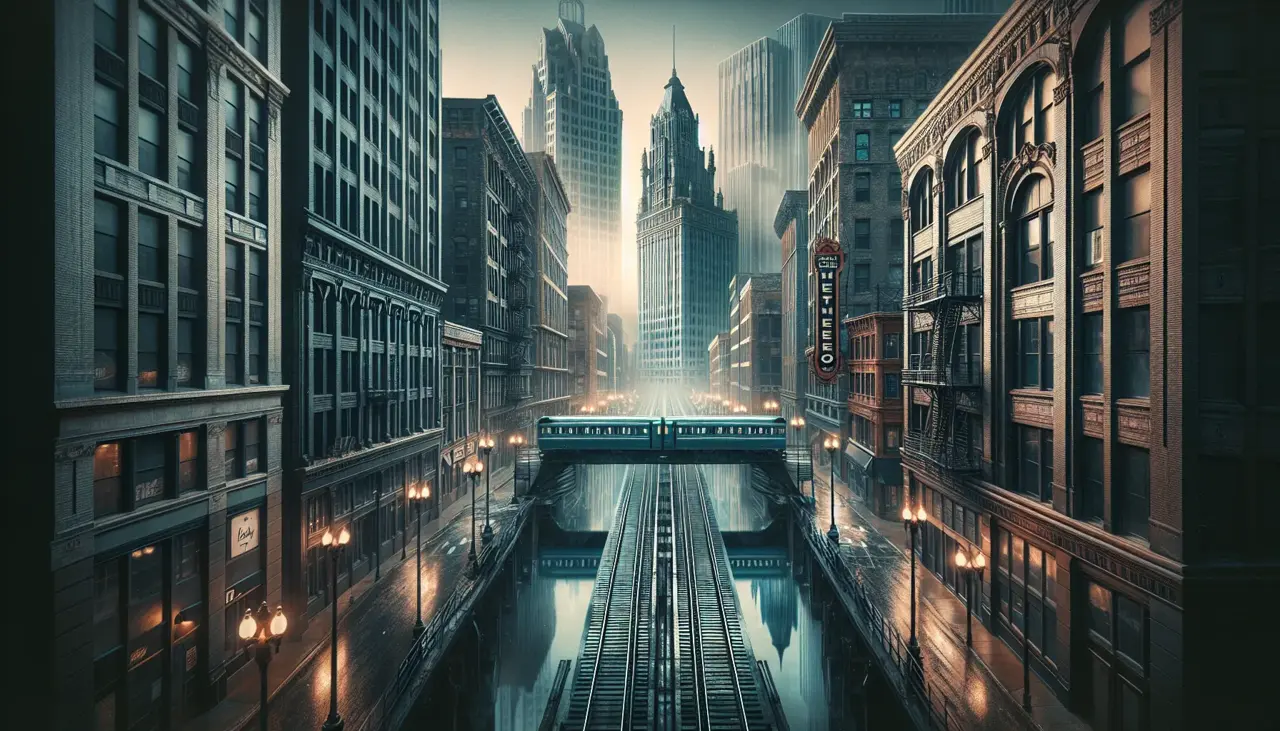
Resurrection Mary: Chicago's Most Famous Ghost
Since the 1930s, drivers along Archer Avenue have reported a woman in white who vanishes at Resurrection Cemetery gates.
Common Questions
Frequently Asked Questions
What is the most haunted place in Chicago?
Are Chicago ghost tours only about gangsters?
Can you visit the site of H.H. Holmes' Murder Castle?
When is the best time for Chicago ghost tours?
Keep Exploring
Explore More Haunted Cities
Discover ghost tours in other historic cities.