

14 Tours · 10 Articles
Boston Ghost Tours
Boston was founded in 1630 by Puritan colonists who brought with them a worldview in which the supernatural was not metaphor but daily reality. Witchcraft accusations, public executions, and theological debates about the nature of evil shaped the colony's first century. The dead from those early years remain where they were buried—in churchyards and burying grounds that now sit surrounded by skyscrapers, tourist paths, and subway stations.
The city's role as the cradle of the American Revolution added another layer of violent death. The Boston Massacre of 1770, the siege of Boston in 1775-76, and the Battle of Bunker Hill produced casualties whose burial sites are marked along the Freedom Trail. Beneath the cobblestones of modern Boston lie the remains of colonists, soldiers, victims of smallpox epidemics, and those executed for crimes both real and imagined.
On January 15, 1919, a 2.3-million-gallon tank of molasses burst in the North End, sending a 25-foot wave through the streets at 35 miles per hour. Twenty-one people were killed and 150 injured. Residents claimed to smell molasses in the neighborhood on hot summer days for decades afterward. The disaster remains one of the strangest industrial accidents in American history and a fixture of Boston ghost tours.
Why Boston Is Haunted
Boston's colonial burying grounds contain an estimated 10,000 burials across three sites, all established before 1660. The Granary Burying Ground holds Paul Revere, Samuel Adams, John Hancock, and the victims of the Boston Massacre. King's Chapel Burying Ground, the city's oldest, contains Governor John Winthrop and Mary Chilton, traditionally considered the first woman to step ashore at Plymouth. These are not museums—they are active burial grounds that have never been relocated.
The Boston Strangler terrorized the city between 1962 and 1964, with 13 women murdered in their apartments. Albert DeSalvo confessed to the killings in 1965 but was never tried for them. DNA evidence linked him to the final victim in 2013, though questions about whether he committed all 13 murders remain unresolved. Several of the apartment buildings where murders occurred still stand and are residential properties.
Fort Warren on Georges Island in Boston Harbor held Confederate prisoners during the Civil War. The fort's most persistent ghost story involves the "Lady in Black"—said to be the wife of a Confederate prisoner who attempted a rescue, was captured, and was hanged wearing a makeshift black robe. The story has been told since at least the 1890s, and park rangers have documented reports from visitors who claim to have encountered the figure.
Freedom Trail Ghost Tours
The Freedom Trail's 2.5-mile red-brick path connects 16 historically significant sites, many of which double as documented haunting locations. Ghost tour versions of the trail typically begin at Boston Common—once used for public hangings, including the execution of Mary Dyer in 1660 for the crime of being a Quaker—and proceed through the city's oldest neighborhoods.
KILLED IN THE BOSTON MASSACRE OF 1770
The Old South Meeting House, where the debate that triggered the Boston Tea Party took place in 1773, has generated reports of unexplained sounds during evening events. Faneuil Hall, dubbed the "Cradle of Liberty," sits atop a site that has been in continuous commercial use since 1742. Staff working late have reported footsteps in empty halls and doors opening and closing on their own.
“The victims of the Boston Massacre lie in the Granary Burying Ground alongside Paul Revere, Samuel Adams, and John Hancock.”
Tours following the Freedom Trail after dark offer a fundamentally different experience from the daytime tourist version. The same landmarks that represent democratic ideals in daylight become sites of execution, disease, and unresolved violence when framed by competent historical storytelling and the absence of crowds.
Colonial Cemetery Tours
The Granary Burying Ground on Tremont Street, established in 1660, holds approximately 2,300 headstones marking an estimated 5,000 burials. The graveyard's residents include three signers of the Declaration of Independence, the victims of the Boston Massacre, and Benjamin Franklin's parents. The headstones, many carved with winged skulls and hourglasses, represent some of the finest colonial funerary art in America.
Copp's Hill Burying Ground in the North End, established in 1659, offers panoramic views of Charlestown and the harbor. British soldiers used its elevated position to fire cannons at Charlestown during the Battle of Bunker Hill. Musket ball damage is still visible on several headstones, deliberately targeted by British soldiers using the graves of Puritan ministers for shooting practice.
While the burying grounds close at dusk, ghost tours pass along their iron fences after dark. The proximity of 17th-century graves to 21st-century traffic—separated by nothing more than a low wall—creates a juxtaposition that few cities can match. These are not preserved historical parks; they are functional burial grounds that predate the nation.
Waterfront & Harbor Tours
Boston's waterfront has accumulated nearly four centuries of maritime disaster, from colonial-era shipwrecks to the 1919 Molasses Flood. Long Wharf, built in 1710 and extending 1,586 feet into the harbor, served as the commercial heart of colonial Boston. The wharf's current length is roughly half its original, as landfill projects gradually absorbed what was once open water.
GALLONS OF MOLASSES IN THE 1919 FLOOD
The site of the Great Molasses Flood at 529 Commercial Street is now a small park. On January 15, 1919, a storage tank owned by Purity Distilling Company burst, releasing 2.3 million gallons of crude molasses. The wave, estimated at 25 feet high and moving at 35 mph, destroyed buildings, buckled railroad tracks, and trapped victims in a substance too thick to swim through. The cleanup took over six months.
Fort Warren on Georges Island, accessible by harbor ferry from May through October, offers seasonal ghost tours that combine Civil War history with the island's documented paranormal reputation. The fort's granite casemates, where Confederate officers were imprisoned, create an atmosphere that requires no embellishment.
Haunted Pub Tours
The Bell in Hand Tavern, established in 1795, claims to be the oldest continuously operating tavern in America. Located near Faneuil Hall, it was founded by town crier Jimmy Wilson and has served patrons through every era of Boston's history. Staff have reported unexplained activity in the building's upper floors and basement.
The Green Dragon Tavern, known as the "Headquarters of the Revolution," was where Paul Revere, Samuel Adams, and other Sons of Liberty planned their resistance to British rule. The original building was demolished in 1854, but the current establishment on Marshall Street occupies the same general location and maintains the revolutionary narrative.
Boston's pub tour routes typically wind through the North End, Faneuil Hall area, and Beacon Hill, visiting 3-4 establishments over two to three hours. The concentration of colonial-era buildings in these neighborhoods means that even the walk between stops passes sites with documented historical significance.
Beacon Hill Ghost Walks
Beacon Hill's gaslit cobblestone streets and Federal-period rowhouses create an environment that requires minimal atmospheric enhancement for ghost tours. The neighborhood, largely unchanged since the early 19th century, contains some of Boston's most persistent haunting reports. Louisburg Square, the most exclusive address in the city, has generated documented reports of unexplained phenomena from residents who rarely discuss them publicly.
WOMEN MURDERED BY THE BOSTON STRANGLER
The Omni Parker House, opened in 1855 at the corner of School and Tremont streets, is Boston's most documented haunted hotel. Founder Harvey Parker has been reported on the third floor by guests and staff for over a century. The hotel's tenth floor, originally the site of executive offices, has generated reports of doors opening, elevators stopping without being called, and the scent of cigars in non-smoking areas.
Walking tours through Beacon Hill cover approximately one mile over 90 minutes, passing through streets where the gaslights—maintained by the city as historical fixtures—provide the same illumination that residents relied on in the 1800s. The neighborhood's strict preservation standards ensure that the buildings tours describe look substantially as they did when the events occurred.
<!-- Mobile Tour Cards (hidden on desktop where sidebar shows) -->
<TourGrid tours={tours} />

Related Reading
Explore Boston Articles
In-depth guides to Boston's haunted history, famous ghosts, and dark legends.
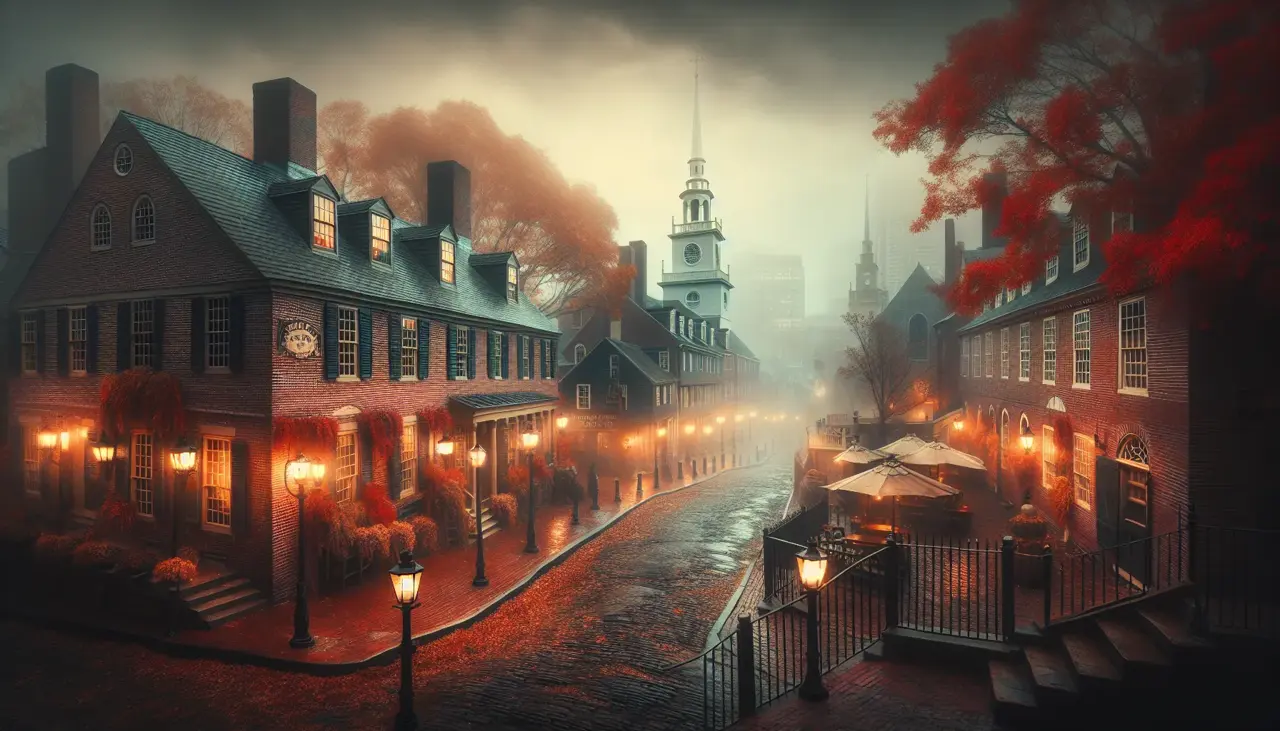
The Freedom Trail's Dark Side
Explore the Freedom Trail's grim history - smallpox, cholera, the Boston Massacre, burial grounds, documented hauntings, and how memory shapes.
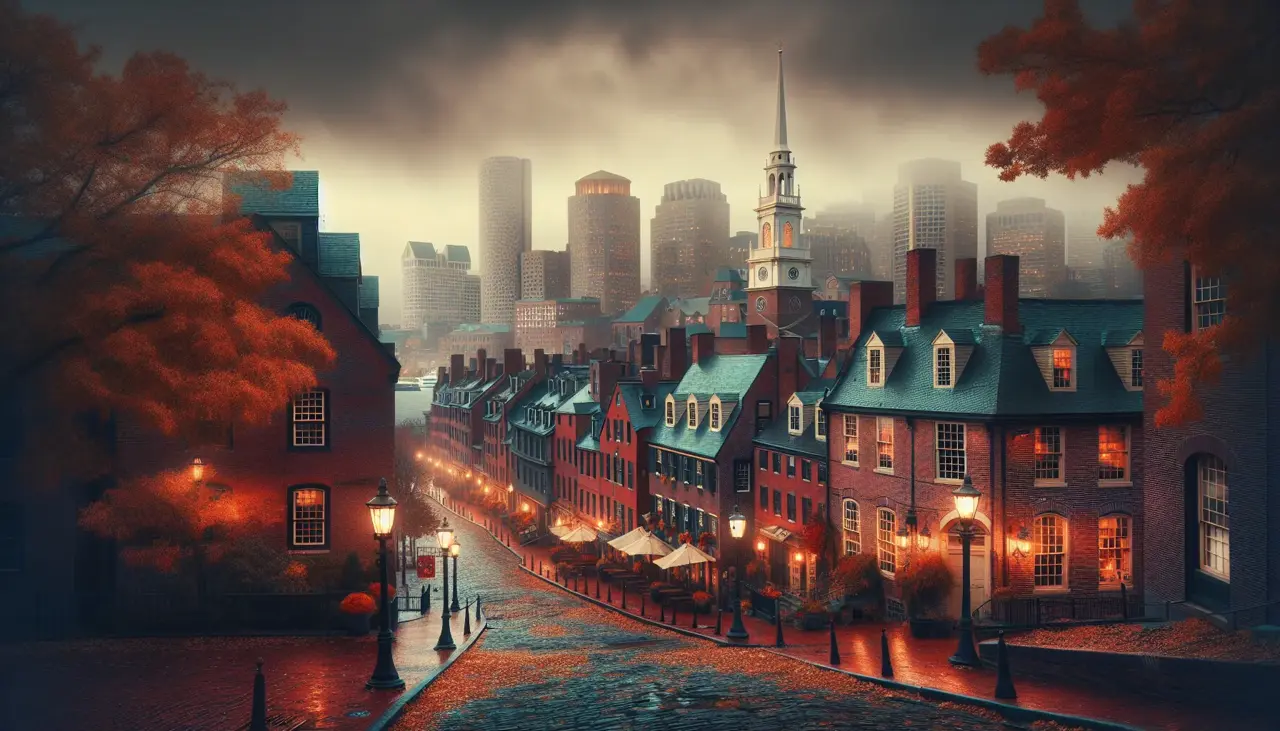
Boston Harbor Islands: Ghost Stories from Fort Warren and
Boston Harbor Islands hauntings: Fort Warren's Civil War apparitions and island tales - history, eyewitness reports, investigations, and skeptical.
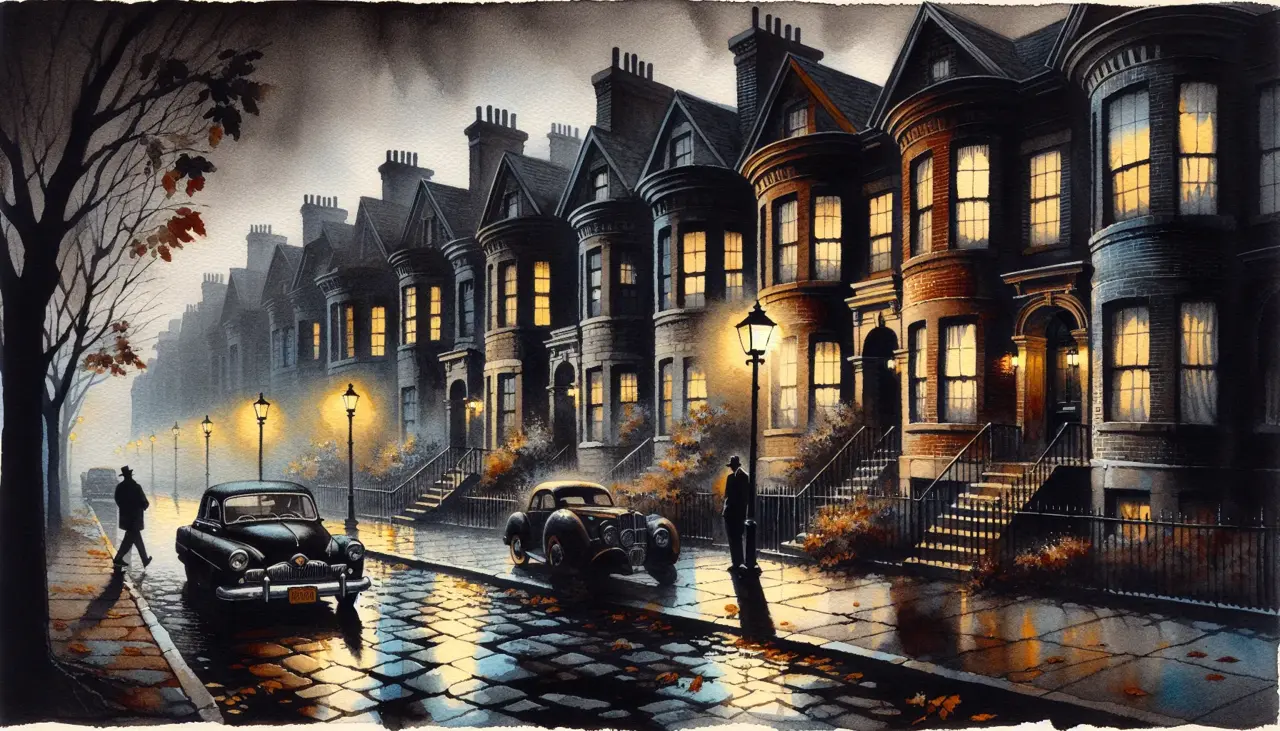
The Boston Strangler: True Crime Walking Tour Guide
Chronological walking tour of Boston Strangler sites—addresses, timeline, ethics, archives and tips for a respectful 2-3 hour true-crime exploration with.
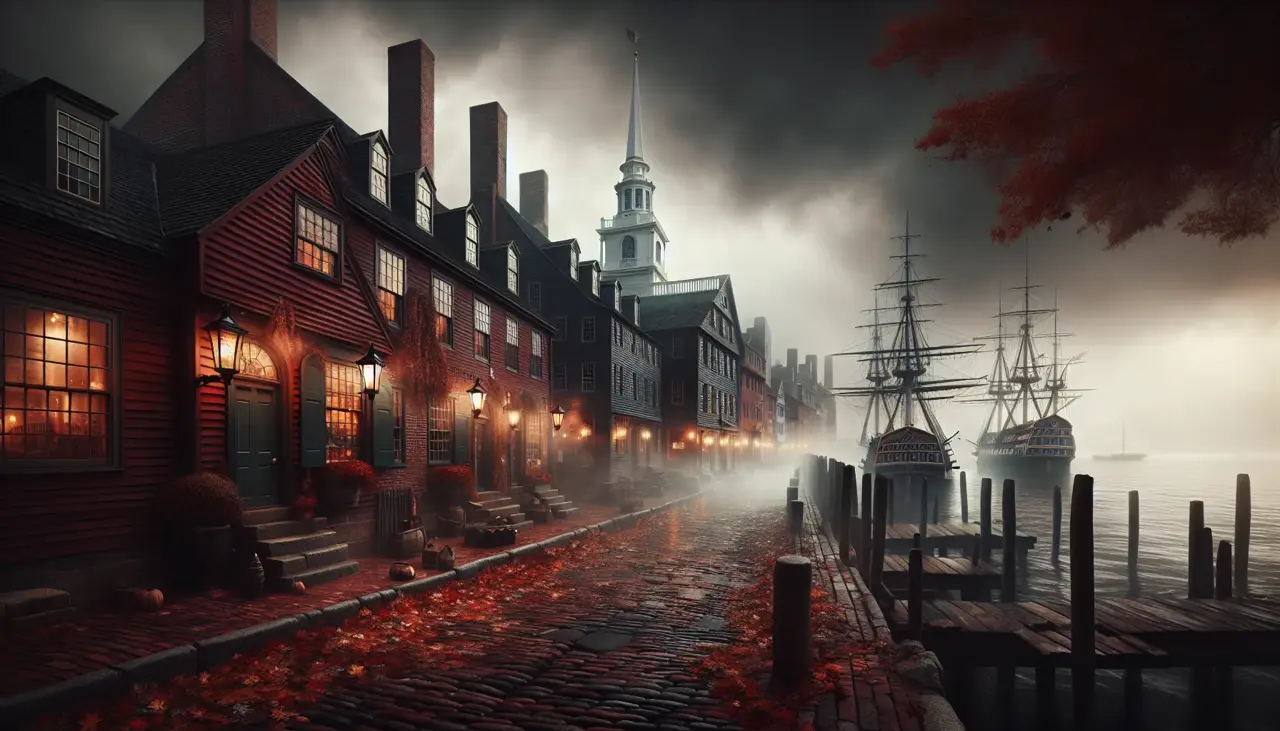
Most Haunted Places in Boston: A Local's Guide
Explore Boston's most haunted spots — a locals guide to historic sites, eerie tales, and practical visiting tips from the Omni Parker House to the Liberty.
The Omni Parker House: Boston's Most Haunted Hotel
Explore Omni Parker House's history, founder apparitions, eyewitness hauntings, investigations, and respectful visitor tips at Boston's iconic haunted.
Common Questions
Frequently Asked Questions
What is Boston's most haunted location?
Can you visit Boston's colonial burial grounds?
Are Boston ghost tours historically accurate?
When do Boston ghost tours operate?
Keep Exploring
Explore More Haunted Cities
Discover ghost tours in other historic cities.